Español
 Français
The packaging of skincare products plays a crucial role in maintaining their efficacy and safety. With the rise of airless pump Cosmetic Container Jars and the continued use of traditional jars, consumers and industry professionals are evaluating which option better preserves skincare benefits.
Understanding Airless Pump Cosmetic Container Jars
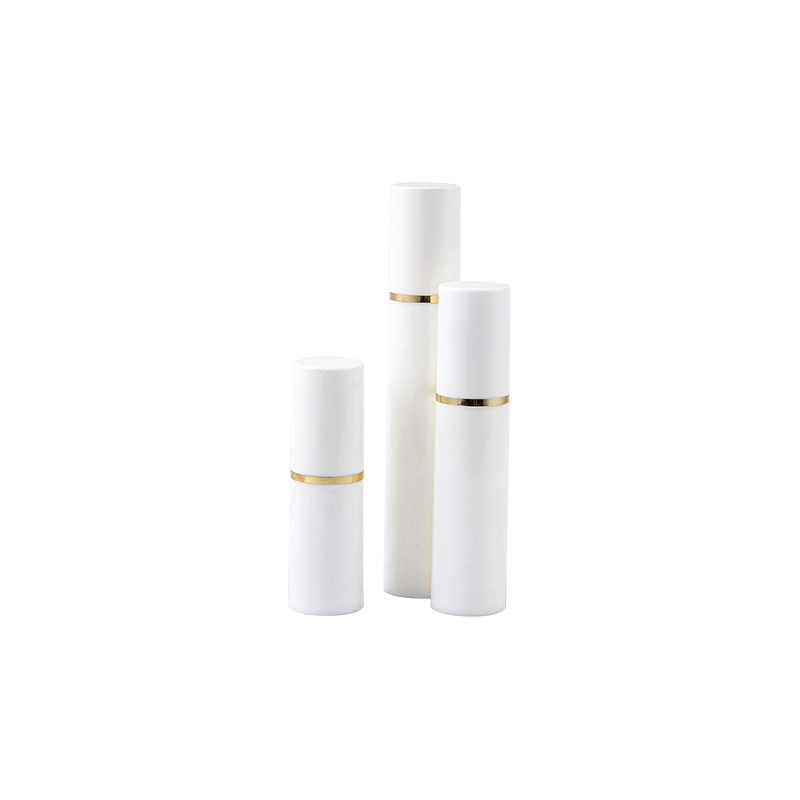
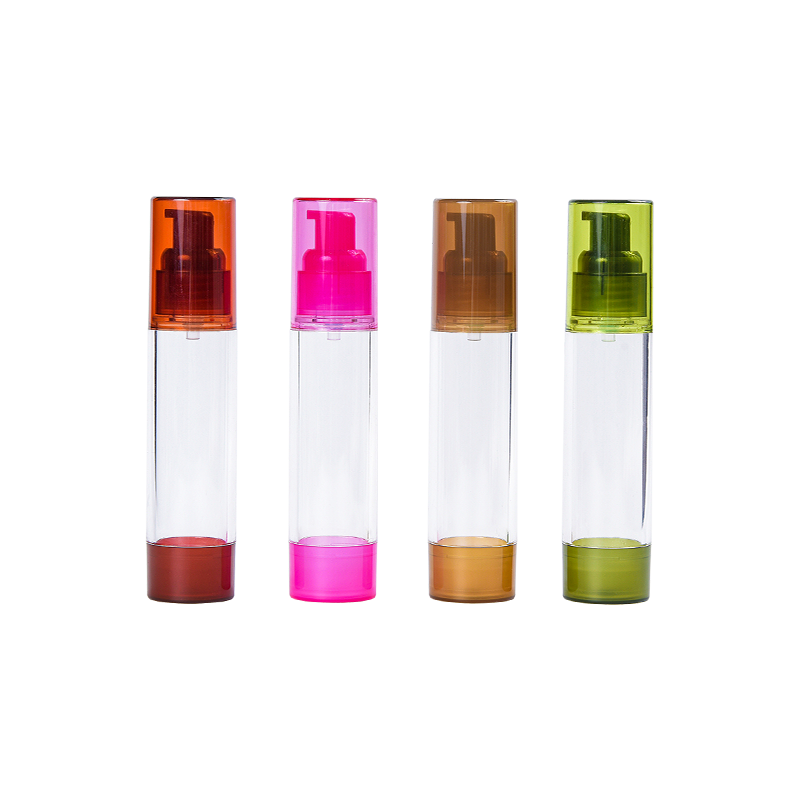
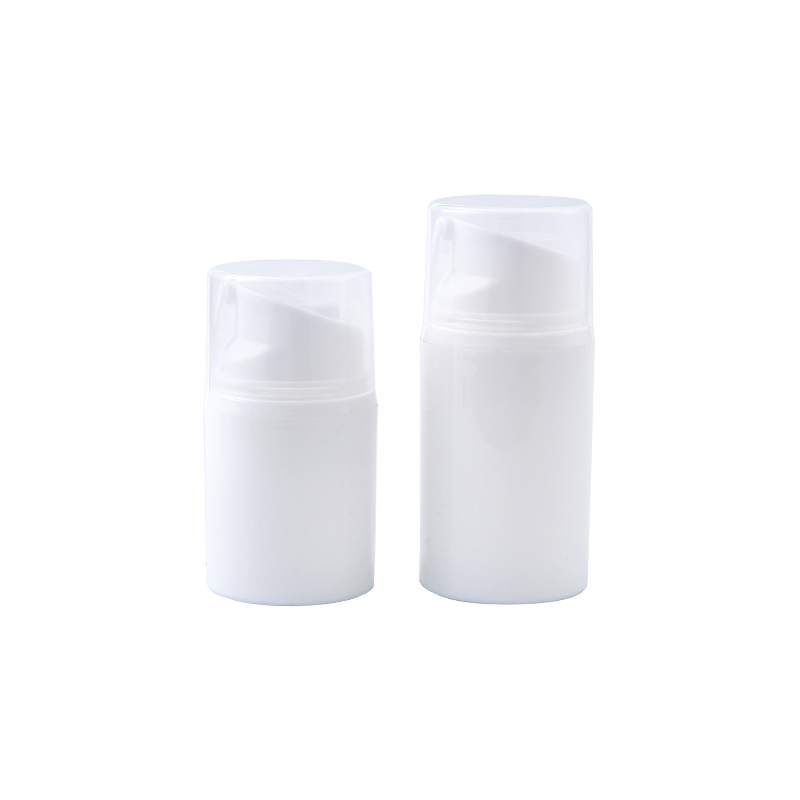
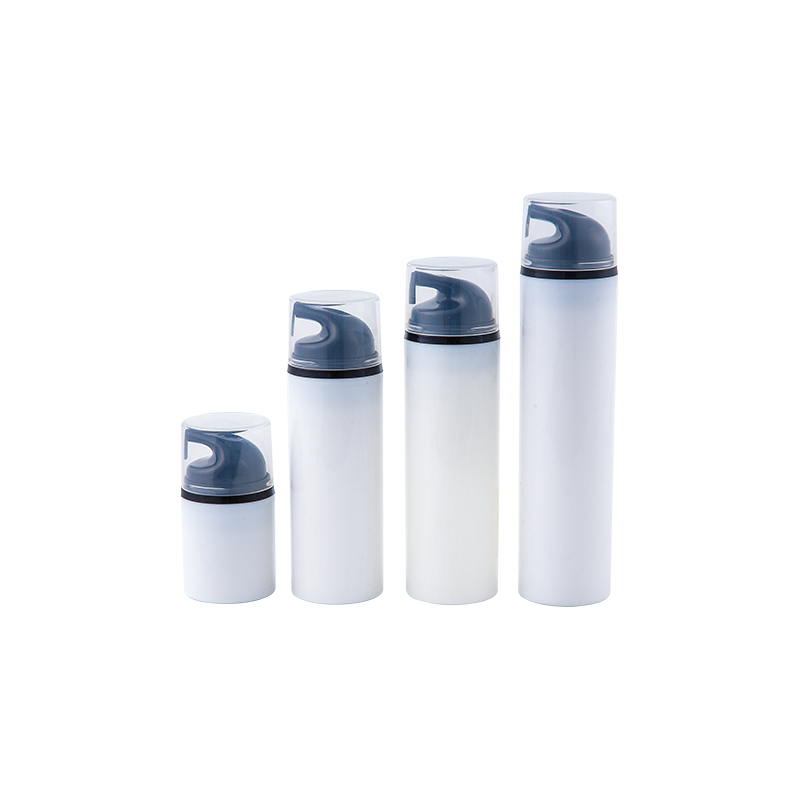
Airless pump Cosmetic Container Jars are designed to dispense products without allowing air to enter the container. This mechanism aims to protect the contents from external factors that could compromise their quality.
How They Function
-
The system uses a vacuum or piston mechanism to push the product upward, minimizing air exposure.
-
As the product is dispensed, a barrier moves to prevent air from contacting the remaining contents.
-
This design is commonly used for creams, serums, and lotions to maintain consistency and potency.
Key Advantages
-
Reduced oxidation: By limiting air contact, these jars help preserve active ingredients that are sensitive to oxygen.
-
Enhanced hygiene: The sealed system lowers the risk of contamination from bacteria or external pollutants.
-
Consistent dispensing: Users can control the amount of product released, reducing waste and ensuring accurate application.
Traditional Cosmetic Jars: An Overview
Traditional jars typically feature an open design where the product is exposed to air each time the lid is removed. These have been widely used in the cosmetics industry for decades due to their simplicity and cost-effectiveness.
Design and Operation
-
Most traditional jars consist of a simple container with a screw-on or snap-on lid.
-
Products are directly accessed by dipping fingers or applicators into the jar.
-
This format is often used for thick creams, balms, and masks.
Common Limitations
-
Increased air exposure: Repeated opening can lead to oxidation, potentially degrading sensitive ingredients like vitamins and antioxidants.
-
Higher contamination risk: Direct contact with hands or tools may introduce microbes, affecting product safety.
-
Potential for ingredient separation: Exposure to air and temperature changes can alter the product's texture and stability over time.
Comparative Analysis: Impact on Skincare Efficacy
This section compares airless pump Cosmetic Container Jars and traditional jars based on factors that influence the effectiveness of skincare products. All points are derived from industry studies and practical observations.
Preservation of Active Ingredients
-
Airless pump jars: Studies indicate that reduced oxygen exposure can help maintain the potency of ingredients such as retinoids and vitamin C, which are prone to degradation.
-
Traditional jars: Open designs may accelerate the breakdown of volatile compounds, potentially reducing the product's intended benefits over its shelf life.
Hygiene and Product Integrity
-
Airless pump Cosmetic Container Jars: The closed system minimizes the introduction of contaminants, supporting longer product stability and user safety.
-
Traditional jars: Frequent exposure can increase microbial growth, necessating preservatives that might not always prevent spoilage.
User Application and Experience
-
Airless pump jars: Provide measured dispensing, which can help users apply consistent amounts and avoid overuse or contamination.
-
Traditional jars: May lead to inconsistent dosing and require careful handling to maintain hygiene, potentially affecting the product's efficacy if not stored properly.
Industry Perspectives and Practical Considerations
Experts in cosmetic science highlight that packaging choice should align with the product formulation. For instance, airless pump Cosmetic Container Jars are often recommended for formulations with high concentrations of active ingredients, while traditional jars may suffice for products with robust preservative systems.
Environmental and Economic Factors
-
Airless pump jars: Generally involve more complex manufacturing, which can impact cost and sustainability, though advancements are improving recyclability.
-
Traditional jars: Often simpler to produce and may use fewer materials, but their design could lead to more product waste if not used efficiently.
The debate between airless pump Cosmetic Container Jars and traditional jars centers on their ability to preserve skincare efficacy. Evidence suggests that airless pump designs offer advantages in ingredient stability and hygiene, whereas traditional jars remain a viable option for certain formulations. Ultimately, the choice depends on factors like product composition, user habits, and environmental considerations, underscoring the importance of informed selection in skincare packaging.

.png "Cream bottle with transparent cap")