Español
 Français
Understanding the Custom Manufacturing Process of Cosmetic Container Jars
Custom Cosmetic Container Jars have become essential in the beauty and personal care industry, offering brands the opportunity to create unique packaging that reflects their identity. The production process of these jars involves several critical steps to ensure quality, aesthetics, and functionality. Understanding these core steps helps manufacturers deliver jars that meet both design specifications and regulatory standards.
1. Concept and Design Development
The initial stage of producing custom Cosmetic Container Jars focuses on design. Brands collaborate with manufacturers to create unique shapes, sizes, and features. Key activities include:
- Defining the jar’s capacity and dimensions
- Selecting materials such as acrylic, glass, or polypropylene
- Creating 3D designs or prototypes for visual and functional assessment
- Considering branding elements like embossed logos, color schemes, and finishes
Compared to standard jars, custom designs require more iterations to balance aesthetics with practicality, such as stackability and product protection.
2. Material Selection and Preparation
Choosing the right material is crucial for durability, safety, and appearance. Typical options include:
- Glass: Offers a premium look and is chemical-resistant, ideal for luxury products.
- Acrylic: Lightweight, shatterproof, and allows for a variety of colors and transparency levels.
- Plastic: Cost-effective and versatile, suitable for mass-market products.
The selected material is then prepared through processes like molding or extrusion, ensuring uniformity and compliance with cosmetic safety regulations.
3. Molding and Forming
The molding stage shapes the raw material into the desired jar form. Techniques commonly used include:
- Injection molding for plastics
- Blow molding for hollow containers
- Pressing or casting for glass jars
Each method affects the jar’s surface finish, strength, and design flexibility. For example, injection molding allows intricate designs but may have visible seam lines, while glass pressing provides a seamless, elegant appearance.
4. Surface Treatment and Decoration
After molding, jars undergo surface treatment to enhance aesthetics and branding. This includes:
- Polishing and smoothing
- Color coating or plating
- Printing or laser engraving logos and product information
- Adding decorative elements like metallic caps or labels
Custom Cosmetic Container Jars can be differentiated from standard jars through these treatments, which elevate perceived value and align with brand identity.
5. Quality Inspection and Testing
Quality control is critical to ensure safety, functionality, and consistency. Manufacturers typically conduct:
- Leak and pressure tests
- Dimensional checks against design specifications
- Durability and drop tests
- Surface and color uniformity inspections
Compared to mass-produced jars, custom jars often undergo more stringent inspections due to higher material costs and design complexity.
6. Packaging and Delivery
The final step involves protective packaging and shipment. Custom Cosmetic Container Jars may require:
- Individual wrapping to prevent scratches
- Custom cartons for bulk shipment
- Compliance with international shipping regulations for glass or specialty materials
Advantages of Custom Cosmetic Container Jars
- Brand differentiation: Unique designs help products stand out in a crowded market.
- Enhanced user experience: Ergonomic shapes and functional lids improve usability.
- Higher perceived value: Premium materials and decoration elevate the product image.
FAQs About Custom Cosmetic Container Jars
Q1: How long does it take to produce custom jars?
Production timelines vary depending on complexity but generally range from 4 to 12 weeks, including design, prototyping, molding, and finishing.
Q2: Can small brands order limited quantities?
Yes, many manufacturers accommodate small batch production for startups or seasonal collections.
Q3: Are these jars safe for all types of cosmetics?
Yes, materials are selected to be compatible with creams, gels, powders, and other cosmetic formulations, complying with relevant safety standards.
Q4: How customizable are the jars?
Customization can include size, shape, color, lid type, printing, and additional decorative elements like metallic finishes or embossed logos.

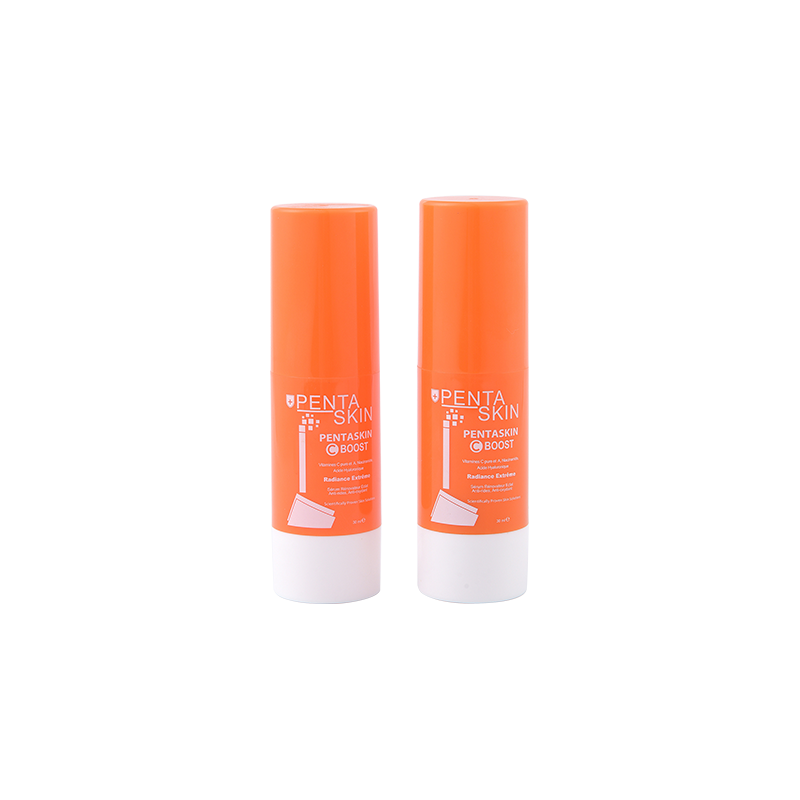
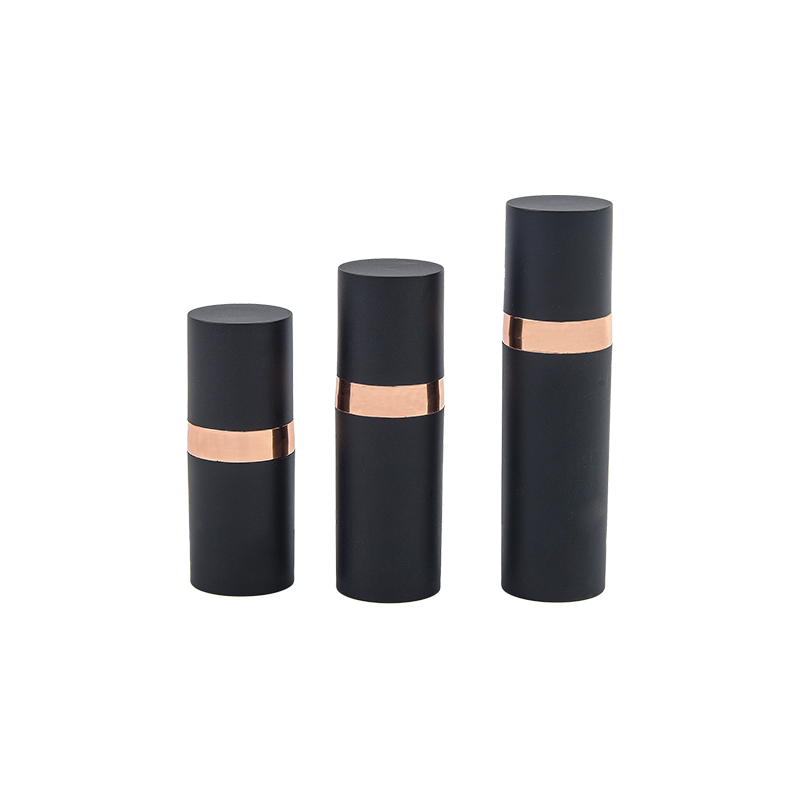
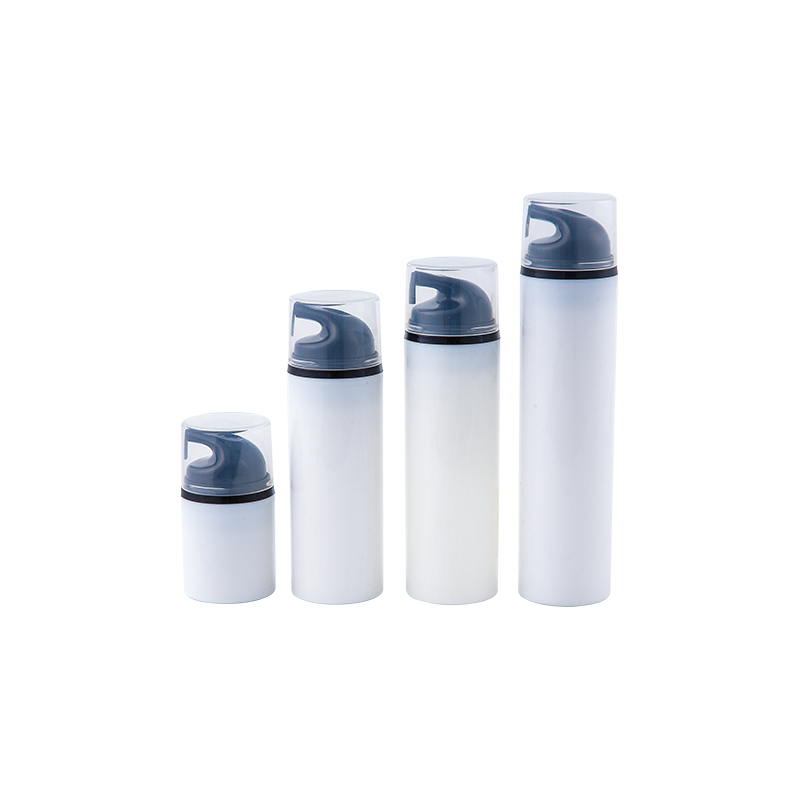
.png "Cream bottle with transparent cap")