Español
 Français
As consumer demand for thick, luxurious lotions and creams grows, manufacturers face a critical challenge: selecting packaging that ensures consistent product delivery while maintaining user satisfaction. Foam pump bottles, known for their ability to transform viscous formulas into light, airy textures, are increasingly popular. However, not all foam pump designs are created equal—especially when handling high-viscosity formulations.
The Science Behind Foam Pump Bottles
Foam pump bottles work by mixing air with liquid formulations to create a frothy consistency. For thick lotions, this process requires precise engineering to avoid clogging, uneven dispensing, or excessive force during activation. The ideal design must balance airflow, pressure, and ingredient compatibility.
Top Contenders for Thick Lotion Formulations
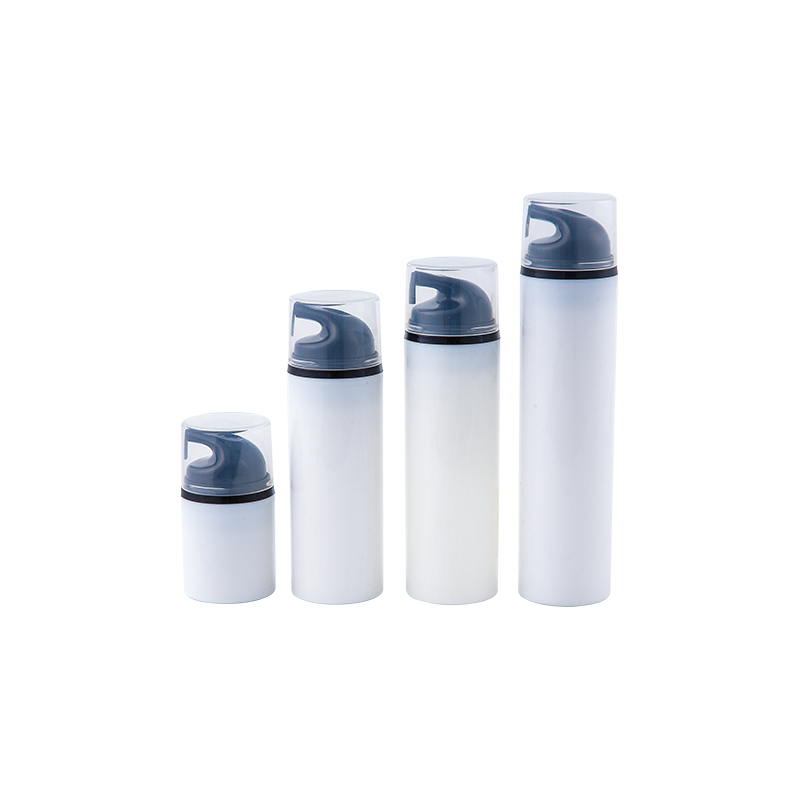
Airless Foam Pumps
Mechanism: Utilizes a vacuum-sealed system to push product upward without air exposure.
Pros: Prevents oxidation, ideal for sensitive or preservative-free formulas. Minimal residue left in the bottle.
Cons: Higher cost and limited compatibility with ultra-thick textures due to potential pressure buildup.
Best For: Medium-viscosity lotions with active ingredients requiring stability.
Pressurized Dual-Chamber Systems
Mechanism: Separates the liquid and air in two chambers, mixing them at the nozzle for controlled foaming.
Pros: Consistent foam quality, even with thick formulas. Reduces user effort during dispensing.
Cons: Complex assembly may increase production costs.
Best For: High-viscosity products like body butters or rich creams.
Wide-Mouth Foam Pumps with Agitators
Mechanism: Features an internal agitator to break up thick formulations before foaming.
Pros: Prevents clogging and ensures smooth dispensing. Easy to clean and refill.
Cons: Agitator mechanisms may wear over time with abrasive ingredients.
Best For: Natural or particulate-heavy lotions (e.g., scrubs).
Critical Design Considerations
Valve Size: Larger valves reduce resistance, making them better for viscous products.
Material Compatibility: Ensure seals and actuators withstand alcohol, oils, or acids in formulations.
User Experience: Ergonomic actuators and minimal priming requirements enhance satisfaction.
Industry tests reveal that pressurized dual-chamber systems outperform others for thick lotions, delivering reliable foam texture with minimal effort. However, brands prioritizing cost-effectiveness and simplicity may opt for wide-mouth foam pumps with agitators, provided formulations lack abrasive particles.

.png "Cream bottle with transparent cap")