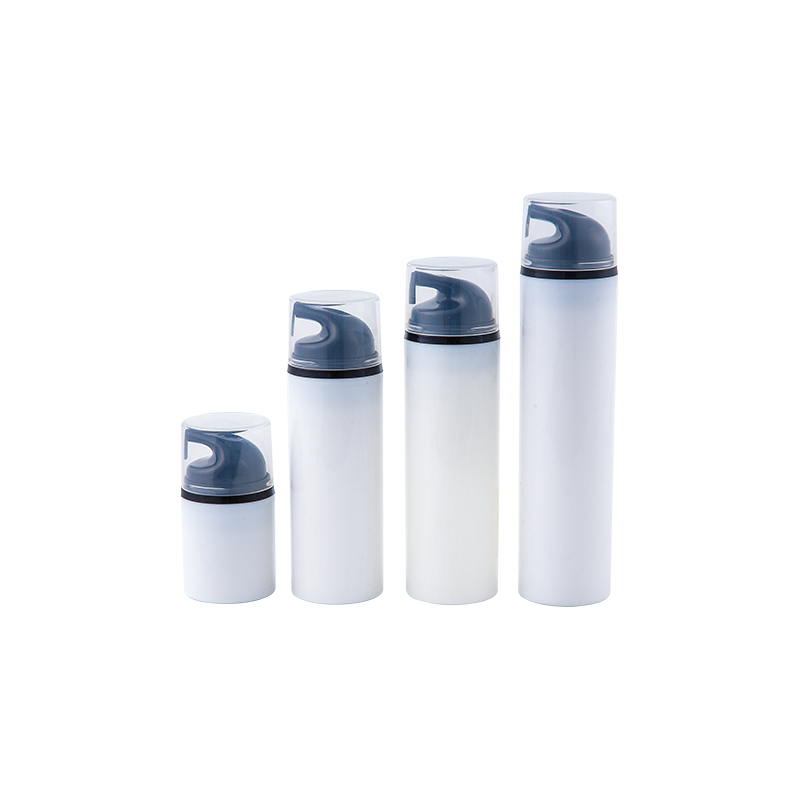
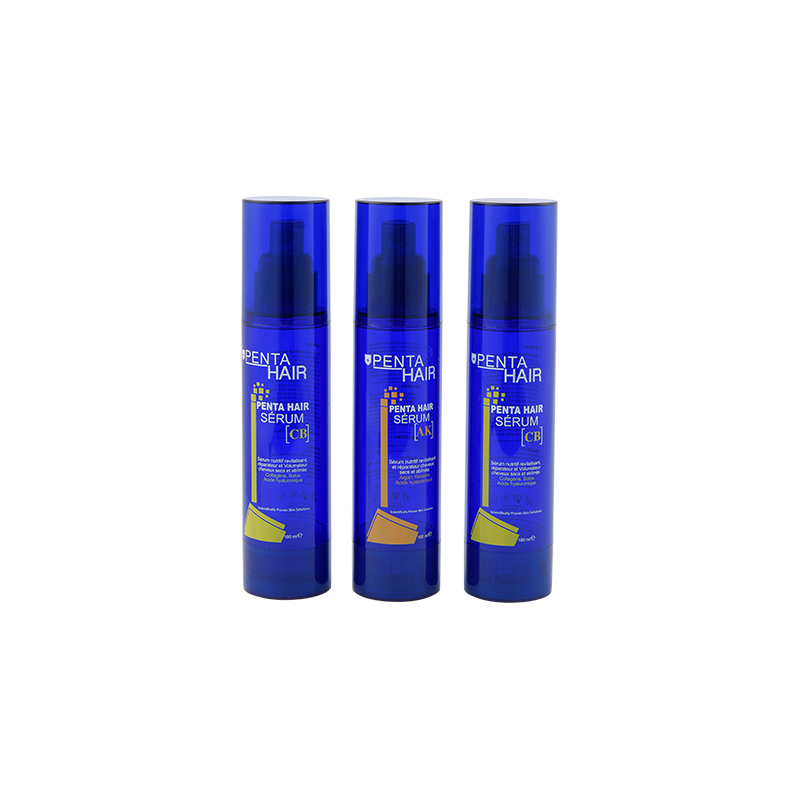
ABOUT US
Be grateful to meet and serve with heart
The company Ningbo Sky Commodity Co.,Ltd. was established by Sky-Dali who started in 2006 Year. It started exporting by producing triggers, sprayer, and pumps in 2009year.
In 2021year we started producing airless bottles liner .our markets are Australia Germany ,Swiss ,Spain, USA, UK, Greece , Africa and also china market. SkySprayer is the logo of the company ,Sky mean Strong, Key ,Young. The key to make our life younger .Our company's philosophy is great love and altruism.
And in 2025 year ,we opened our company EURO SKY -DALI PACKAGING D.O.O. for south Europe, Balkans markets.
We have quality management systerm standard:ISO 9001:2005. and also we have Reach Report and MSDS report for our products.
Our company is near to Ningbo port / Shanghai port ,Welcome you to visit us .
VIEW MORE
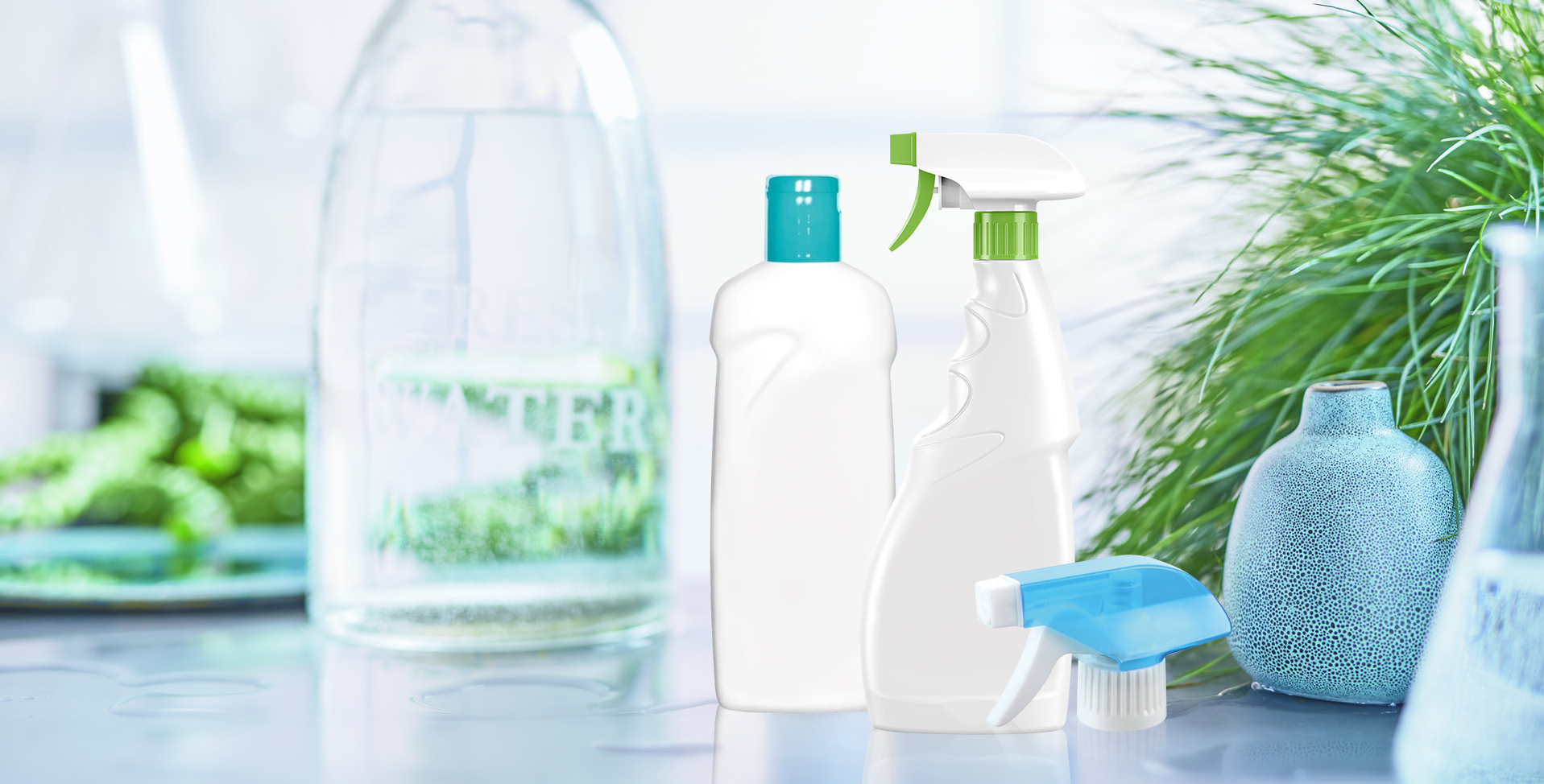
Our services
Whether you want to become our partner or need our professional guidance or support in product selections and problem solutions, our experts are always ready to help within 12 hours globally.
VIEW MORE
Reply patiently
Reply patiently
For any questions and feedback from customers, we will reply patiently and meticulously.
New center
How Cosmetic Container Jars Prevent Leakage During Transportation With the rapid growth of the global beauty and skincare market, safe packaging has become more important than ever. Cosmetic Container Jars play a critical role in protecting creams, balms, gels, and serums from leakage during logistics, storage, and international shipping. A single leak can damage brand reputation, result in product loss, and increase operational costs. Manufacturers and brands are now investing in advanced jar designs to ensure product safety from factory to consumer. Why Leakage Prevention Matters in Cosmetic Packaging Leakage is one of the most common causes of product damage in the cosmetic supply chain. Poor sealing or weak materials can lead to: Product contamination Messy packaging and customer complaints Reduced shelf life Financial losses during transportation High-quality Cosmetic Container Jars are designed to address these risks through structural innovation, material selection, and sealing technologies. Key Design Features That Prevent Leakage 1. Precision Threaded Lids Modern Cosmetic Container Jars use high-precision screw threads to ensure a tight and secure closure. Advanced threading minimizes air gaps and prevents liquid or cream from escaping under pressure or vibration. 2. Inner Sealing Liners Many high-end jars include inner liners made of PE foam, aluminum foil, or pressure-sensitive membranes. These liners create a secondary barrier that effectively blocks leakage during long-distance shipping. 3. Airtight and Double-Seal Structures Some premium Cosmetic Container Jars feature double-sealing systems that combine a screw cap with an internal plug or gasket, offering extra protection for high-viscosity or volatile formulations. 4. High-Strength Materials Leak resistance also depends on material durability. Common materials include: PP (Polypropylene): Lightweight, chemical-resistant, and impact-resistant PET: Transparent and highly durable Glass: Premium appearance with excellent chemical stability Thick-walled glass and reinforced plastic jars are especially effective in preventing cracks and pressure-related leaks. 5. Shock-Absorbing Outer Packaging Beyond the jar itself, protective packaging such as foam inserts, bubble wrap, and partitioned cartons help absorb vibration and impacts that could compromise the seal. How Manufacturers Test Cosmetic Container Jars for Leak Resistance Before entering the market, professional-grade Cosmetic Container Jars undergo strict testing procedures, including: Inverted storage tests Pressure resistance testing Drop and vibration simulations Temperature fluctuation testing Only jars that pass these tests are considered suitable for large-scale cosmetic transportation. Applications Across the Beauty Industry Leak-proof Cosmetic Container Jars are widely used for: Face creams and moisturizers Body butters and scrubs Hair masks and treatments Medical-grade skincare products Organic and natural cosmetics Each application requires customized sealing solutions based on texture, temperature sensitivity, and chemical composition. FAQ: Cosmetic Container Jars and Leakage Prevention Q1: Are Cosmetic Container Jars suitable for liquid products? Yes. With proper inner seals and threaded caps, Cosmetic Container Jars can safely store gel-based and semi-liquid products during transportation. Q2: Is glass more leak-proof than plastic? Glass offers superior chemical resistance and durability, but modern PP and PET plastic jars with advanced sealing systems can achieve equally reliable leak-proof performance. Q3: Do inner liners affect product safety? Food-grade and cosmetic-grade liners are safe for direct contact and help preserve freshness while preventing leakage. Q4: Can customized Cosmetic Container Jars improve leak protection? Yes. Custom thread designs, double seals, and specialized liners significantly enhance leak resistance for specific formulations. Future Trends in Leak-Proof Cosmetic Packaging As sustainability and smart packaging gain momentum, future Cosmetic Container Jars will integrate eco-friendly materials, tamper-evident features, and smart sealing technologies that further reduce leakage risks while improving consumer confidence. Reliable leakage prevention is no longer optional—it is a standard requirement in today’s competitive beauty market. With continuous innovation in design and materials, Cosmetic Container Jars continue to provide safe, efficient, and brand-protective solutions for global cosmetic transportation.
2025-12-05
How to Properly Seal Cosmetic Container Jars to Prevent Contamination? In the cosmetics industry, product safety and hygiene are crucial. To ensure creams, serums, balms, and lotions reach consumers in perfect condition, brands must focus on proper packaging. Among various packaging solutions, Cosmetic Container Jars remain one of the most widely used options. However, without correct sealing strategies, they can easily become vulnerable to microbial contamination, oxidation, and product leakage. Why Sealing Cosmetic Container Jars Properly Matters Cosmetic formulas often contain active ingredients that can degrade when exposed to air or bacteria. A secure seal helps: Prevent contamination from dust, microbes, and external particles Prolong product shelf life and maintain ingredient stability Avoid leakage during transportation and storage Enhance customer confidence and protect brand reputation Common Sealing Methods for Cosmetic Container Jars 1. Induction Sealing Induction sealing uses heat to bond a foil liner to the jar rim. This method creates an airtight barrier, ideal for creams and lotions that require long-term preservation. 2. Pressure-Sensitive Seals These seals adhere to the jar when pressed down firmly. They are easy to apply and suitable for lightweight formulas, samples, and retail packaging. 3. Heat Shrink Bands Heat shrink bands wrap around the jar and lid, tightening when heated. Beyond contamination protection, they also offer tamper-evident security—keeping consumers safe. 4. Screw & Lock-Weld Jar Lids High-quality lids designed for Cosmetic Container Jars help maintain stability through mechanical locking. When paired with airtight liners, they offer premium protection against external exposure. Tips for Ensuring a Secure Jar Seal Choose the right liner material based on product viscosity and sensitivity. Ensure jar surfaces are clean and dry before sealing. Match jar neck size with lid to prevent gaps and micro-leaks. Conduct sealing pressure tests before mass production. Store finished products in cool, dry environments to prevent seal expansion. Quality Control: Final Step Before Distribution Before products leave the factory, brands should implement batch testing, leak-check verification, and microbial stability evaluation. These extra steps guarantee the final products inside Cosmetic Container Jars remain safe throughout shipping, retail display, and consumer use. FAQ: About Sealing Cosmetic Container Jars Q1: Which sealing method offers the best protection? Induction sealing generally offers the most airtight protection, especially for creams and emulsions that degrade easily. Q2: Do all Cosmetic Container Jars require an inner seal? Not always, but products with active ingredients, natural extracts, or long shelf-life expectations benefit greatly from inner protective sealing. Q3: Can consumers tell if a jar has been tampered with? Yes. Heat shrink bands and foil seals provide clear evidence of tampering, ensuring end-user safety and trust. Q4: Are eco-friendly sealing options available? Yes. Brands can choose biodegradable liners and recyclable jar materials to balance safety and sustainability. Conclusion Properly sealing Cosmetic Container Jars is more than packaging—it is a commitment to product integrity and consumer safety. By choosing the right sealing method, ensuring quality control, and applying correct storage procedures, cosmetic manufacturers can deliver clean, effective, and reliable products to every customer.
2025-11-28
How Can Cosmetic Container Jars Enhance Your Brand’s Packaging Appeal? In today’s competitive beauty market, packaging has become just as important as the product itself. High-quality Cosmetic Container Jars not only protect skincare and makeup formulas but also serve as a powerful tool for brand differentiation. From material selection to visual design, the right jars can significantly enhance a brand’s professional image and customer appeal. Why Packaging Matters More Than Ever in the Beauty Industry Consumers increasingly associate packaging aesthetics with product quality. A visually pleasing container can quickly capture attention, improve user experience, and strengthen brand loyalty. This is why more cosmetic companies are investing in innovative and customizable Cosmetic Container Jars to elevate their packaging strategy. Key Ways Cosmetic Container Jars Enhance Your Brand’s Packaging Appeal 1. Premium Aesthetics That Capture Attention The design of Cosmetic Container Jars plays a major role in shaping first impressions. Smooth finishes, elegant shapes, and luxury materials such as glass or frosted acrylic communicate sophistication and professionalism. These elements help your products stand out on crowded retail shelves or online listings. 2. Customization Options That Strengthen Brand Identity Brands can personalize jars with custom colors, embossed logos, or metallic lids. Such customization enhances brand recognition and ensures consistency across product lines. Whether minimalistic or bold, the design aligns with your brand story. 3. Enhanced User Experience Easy-to-open lids improve accessibility. Wide-mouth jars simplify product application. Portable lightweight materials boost convenience for travel and daily use. When customers enjoy using the packaging, they are more satisfied with the overall product experience. 4. Superior Product Protection Quality Cosmetic Container Jars ensure that formulas remain fresh and effective. Air-tight sealing, UV-resistant materials, and durable construction prevent contamination, oxidation, and leakage. This not only preserves product integrity but also reinforces trust in your brand. 5. Eco-Friendly Options Boost Brand Reputation With growing environmental awareness, brands that choose recyclable or biodegradable jar materials—such as glass, aluminum, or eco-friendly plastics—gain stronger consumer support. Sustainable jars demonstrate a proactive commitment to environmental responsibility. Comparison: Glass vs. Plastic Cosmetic Container Jars Feature Glass Jars Plastic Jars Appearance Luxurious, premium look Versatile, lightweight Durability Fragile but long-lasting Highly durable and shatter-resistant Sustainability 100% recyclable Recyclable depending on type Cost Higher More affordable This comparison highlights how both options offer unique benefits. The choice depends on your brand positioning, target audience, and sustainability goals. How to Choose the Right Cosmetic Container Jars for Your Brand 1. Define Your Target Market Luxury brands may prefer glass jars, while youthful or budget-friendly brands might choose colorful plastics. Matching packaging style to customer expectations is essential. 2. Consider Product Type Creams, balms, masks, and powders all require specific jar shapes and sealing options. The formulation’s viscosity and sensitivity should guide your decision. 3. Evaluate Material and Sustainability Eco-conscious consumers appreciate recyclable materials. Choosing environmentally friendly options boosts brand reputation. 4. Work With Reliable Manufacturers Experienced suppliers offer high-quality molds, consistent production, and a wide range of customization options for Cosmetic Container Jars. Frequently Asked Questions (FAQ) 1. Are glass Cosmetic Container Jars better than plastic ones? Glass jars offer a premium appearance and better sustainability but are heavier and more fragile. Plastic jars are lightweight, cost-effective, and durable. The best choice depends on your brand’s positioning and usage needs. 2. Can I customize Cosmetic Container Jars with my brand logo? Yes. Most manufacturers offer logo printing, embossing, custom colors, and unique lid designs to strengthen brand identity. 3. Are eco-friendly jars more expensive? Eco-friendly materials may cost slightly more, but they provide long-term value by attracting environmentally conscious consumers and improving brand reputation. 4. What sizes do Cosmetic Container Jars typically come in? Common sizes range from 5g mini jars to 200g large containers. Brands can choose the size depending on product type and target market. 5. How do Cosmetic Container Jars protect product quality? They use sealing mechanisms, UV-resistant materials, and durable construction to prevent contamination, oxidation, and leakage.
2025-11-21
Are Glass or Plastic Cosmetic Container Jars Better for Your Product Line? As the beauty and personal care market continues to grow, brands are increasingly focused on choosing the right Cosmetic Container Jars to enhance product appeal, ensure safety, and meet sustainability goals. The choice between glass and plastic containers is one of the most important packaging decisions a cosmetics company must make.  Why Packaging Material Matters in the Cosmetics Industry Packaging is more than just protection—it directly affects customer perception, shelf presence, product stability, and even long-term brand identity. Understanding the differences between glass and plastic Cosmetic Container Jars can help you choose the best solution for your product line. Glass Cosmetic Container Jars: Premium Look and Superior Stability Advantages of Glass Jars High Product Protection: Glass is non-reactive, making it ideal for formulas containing essential oils, acids, or active ingredients. Premium Aesthetic: The weight, clarity, and smooth texture of glass create an upscale impression. Excellent Sustainability: 100% recyclable and reusable without degrading its quality. Resistant to Heat and UV: Essential for preserving sensitive cosmetic formulas. Disadvantages of Glass Jars Heavy and Breakable: Higher risk during shipping and handling. Higher Shipping Costs: Weight increases freight charges and carbon footprint. Less Flexible Design Options: Limited shapes compared to molded plastics. Plastic Cosmetic Container Jars: Lightweight, Cost-Effective, and Versatile Advantages of Plastic Jars Lightweight and Durable: Ideal for travel-friendly and everyday-use products. Highly Customizable: Can be molded into any size, shape, or color to match brand identity. Lower Production and Logistics Costs: More economical for large-volume product lines. Shatterproof: Reduced risk of breakage during shipping and consumer use. Disadvantages of Plastic Jars Lower Chemical Resistance: Some ingredients may react with certain plastics. Environmental Concerns: Not all plastic is recyclable, and sustainability perception may be affected. Lower Premium Appearance: May not suit luxury skincare items. Which Cosmetic Container Jars Are Best for Your Product Line? Choose Glass If: Your brand targets the luxury or high-end skincare market. You use formulas with high concentrations of actives or essential oils. Sustainability and eco-friendly image are key selling points. Choose Plastic If: You prioritize durability and lightweight packaging. Your products are mass-market, travel-related, or used frequently. You need economical packaging solutions with design flexibility. Finding the Right Balance In many cases, brands use both glass and plastic Cosmetic Container Jars across different product lines. The best choice depends on your formula, target audience, marketing strategy, and environmental commitments. By understanding the strengths and limitations of each material, cosmetics manufacturers can design packaging that enhances product value and aligns with their brand vision. Conclusion Both glass and plastic offer unique benefits for modern cosmetic packaging. Whether you need premium aesthetic quality or cost-effective versatility, choosing the right Cosmetic Container Jars is essential to delivering a standout product that meets consumer expectations.
2025-11-14
What Makes Cosmetic Container Jars Essential for Modern Skincare Packaging? In the fast-evolving world of beauty and skincare, packaging plays a crucial role in defining product identity, quality perception, and user experience. Among various packaging options, Cosmetic Container Jars have become indispensable in modern skincare packaging due to their functionality, design flexibility, and ability to preserve product integrity. The Growing Importance of Cosmetic Container Jars 1. Preservation and Protection of Skincare Formulas One of the key reasons why Cosmetic Container Jars are widely used in the skincare industry is their excellent ability to protect delicate formulations. Whether it’s a moisturizing cream, serum, or exfoliating mask, these jars help prevent exposure to air, light, and contaminants. This ensures that active ingredients such as vitamins, peptides, and natural extracts maintain their efficacy throughout the product’s shelf life. 2. Versatile Material Choices Cosmetic Container Jars are available in a variety of materials including glass, acrylic, PET, and PP plastic. Each type offers distinct advantages—glass jars provide a premium look and are recyclable, while plastic jars are lightweight and shatter-resistant. Many modern brands also choose eco-friendly materials to align with sustainability goals and appeal to environmentally conscious consumers. 3. Aesthetic Appeal and Branding Potential In today’s competitive beauty market, visual appeal matters as much as the product itself. Cosmetic Container Jars can be customized with color coatings, metallic finishes, embossing, or labeling to reflect a brand’s identity. A sleek and elegant jar design enhances the perceived value of the product and helps attract attention on store shelves or online marketplaces. 4. User-Friendly Design Ease of use is another major factor that makes Cosmetic Container Jars essential. Wide-mouth designs allow users to easily scoop out the desired amount of product, which is particularly suitable for thicker skincare items like balms, scrubs, and creams. In addition, modern jars often include sealing inserts or inner lids to maintain hygiene and prevent leakage during transport. Innovations in Cosmetic Container Jars 1. Sustainable and Refillable Solutions As sustainability becomes a global priority, many manufacturers are developing Cosmetic Container Jars that are reusable or made from recycled materials. Refillable jar systems not only reduce waste but also strengthen brand loyalty as customers can keep and refill their containers with new products. 2. Smart and Functional Packaging The skincare industry is also seeing innovation in the form of smart packaging. Airless jar designs, for example, help minimize oxidation and contamination while delivering precise doses of product. Some brands are even integrating digital features like QR codes to provide consumers with detailed ingredient information and sustainability tracking. Conclusion: The Future of Cosmetic Container Jars in Skincare From protecting formulas to enhancing brand aesthetics and supporting sustainability, Cosmetic Container Jars are a cornerstone of modern skincare packaging. As technology and consumer expectations continue to evolve, these jars will remain a vital component of the beauty industry—balancing function, elegance, and environmental responsibility in one sleek design.
2025-11-07
Are Larger Cosmetic Container Jars Always More Cost-Effective Than Smaller Ones? The cosmetics industry is known for its diverse range of packaging options, with cosmetic container jars being one of the most common choices for beauty products. A key question that often arises for consumers and manufacturers alike is whether larger cosmetic container jars offer a more cost-effective solution than smaller ones.  Cost Factors in Cosmetic Container Jars Raw Material Costs The primary cost element in manufacturing cosmetic container jars is the material used. Larger jars generally require more raw material, which can lead to higher production costs. However, the increase in cost is not always proportional to the size difference. The economies of scale that manufacturers can achieve by producing larger quantities of a single container size may offset the additional material costs. For this reason, the raw material price per unit may decrease as the size of the jar increases. Manufacturing and Production Costs Manufacturing costs are also influenced by jar size. Larger cosmetic container jars may incur slightly higher production costs due to the need for more robust molds and specialized production processes. These molds are typically more expensive than those for smaller containers, leading to higher initial investment costs. However, the cost per unit produced tends to be lower for larger batches of jars, which helps manufacturers achieve better cost efficiency. Consumer Considerations: Value and Usage Product Lifespan and Usage Frequency For consumers, the cost-effectiveness of cosmetic container jars often hinges on the longevity of the product inside. Larger jars tend to be more cost-efficient when the product has a longer shelf life or when it is used regularly. However, for products with a shorter shelf life or those that are used less frequently, smaller jars may be a better option. This ensures that the product does not expire before it can be fully used, reducing the waste associated with unsold or unused products. Packaging and Storage Efficiency Packaging efficiency is another aspect to consider when evaluating cost-effectiveness. Larger cosmetic containers typically offer better value in terms of storage, especially for bulk purchases. However, they can be less convenient for consumers who prefer smaller, more portable packaging. The decision to choose a larger container may also be influenced by storage constraints at home, where a smaller jar might be preferable due to limited space. Environmental and Sustainability Considerations Waste and Environmental Impact In recent years, sustainability has become a crucial factor in the cosmetic industry. Larger cosmetic container jars can lead to increased plastic use and more packaging waste. However, larger jars might help reduce the need for frequent repurchasing, thus minimizing packaging waste over time. Smaller containers, while more portable, may be used more frequently, contributing to higher overall plastic consumption. From an environmental perspective, consumers may weigh the trade-off between convenience and sustainability when choosing between jar sizes. Consumer Behavior and Preferences Consumer preferences also play a role in determining whether larger or smaller cosmetic container jars are more cost-effective. For some, larger jars offer a sense of value due to the larger quantity of product inside. However, others may prefer smaller jars for their practicality and ease of use. This variability in consumer behavior can influence market demand and, consequently, the cost structure of cosmetic packaging. The cost-effectiveness of larger cosmetic container jars compared to smaller ones depends on multiple factors including raw material and manufacturing costs, product usage, and environmental concerns. While larger jars may offer a better value per unit in terms of raw material costs and production efficiency, smaller jars may be more suitable for products with shorter shelf lives or those requiring more frequent usage. Ultimately, the decision between larger and smaller cosmetic containers should consider both the financial aspects and the specific needs of the consumer and the product in question.
2025-10-31
Sustainable Choices: Are Bamboo or PCR Plastic Cosmetic Container Jars the Better Eco-Friendly Option? In the evolving landscape of cosmetic packaging, brands and consumers are increasingly prioritizing sustainability. Two prominent options have emerged as contenders: bamboo and PCR (Post-Consumer Recycled) plastic cosmetic container jars. Both present compelling environmental advantages, yet their production processes, performance characteristics, and end-of-life scenarios differ significantly. Understanding the Contenders: Material Profiles ◼️ Bamboo Cosmetic Container Jars Bamboo cosmetic container jars typically feature a bamboo exterior combined with an inner container, often made of glass or recycled plastic, which holds the product itself. This construction leverages the natural appeal of bamboo while ensuring compatibility with cosmetic formulations. Renewable Sourcing: Bamboo is a highly renewable resource due to its rapid growth rate; some species can grow up to 2.91 feet in just 24 hours. It can be harvested without causing damage to the ecosystem, as it regenerates from its own roots. Biodegradability: At the end of its life, bamboo is biodegradable, breaking down naturally and reducing landfill waste. Aesthetic and Durability: Bamboo offers a natural, aesthetically pleasing look that appeals to clean beauty brands. Despite its lightweight nature, it is surprisingly durable and robust, capable of withstanding the rigors of transportation. ◼️ PCR Plastic Cosmetic Container Jars PCR plastic jars are made from recycled consumer waste, such as discarded plastic bottles and containers. This material is reprocessed into new packaging, commonly using PET and HDPE plastics. Waste Diversion: PCR plastic gives a second life to post-consumer waste, diverting plastics from landfills and oceans. This promotes a circular economy by reducing the demand for virgin plastic. Resource Conservation: The production of PCR plastic often requires less energy compared to manufacturing virgin plastic, leading to a reduction in greenhouse gas emissions. It also conserves valuable natural resources like petroleum and natural gas. Material Considerations: PCR plastic can exhibit color variations, making consistent aesthetics challenging. It also faces issues related to supply and demand, as availability can be inconsistent. Comparative Analysis: Key Factors for Selection ◼️ Environmental Impact The following table summarizes the primary environmental characteristics of each material: Factor Bamboo PCR Plastic Resource Basis Rapidly renewable plant-based material Made from recycled post-consumer plastic waste End-of-Life Biodegradable under right conditions Recyclable, but dependent on local infrastructure Carbon Footprint Lower due to plant growth absorbing CO₂ Lower than virgin plastic due to reduced energy use in production ◼️ Performance and Practicality Durability and Compatibility: Bamboo is durable but can be sensitive to moisture and may require more maintenance than plastic to prevent damage. Furthermore, certain cosmetic formulas may not be compatible with bare bamboo, often necessitating an inner liner. PCR plastic, particularly PET, boasts robust strength and decent chemical resistance, making it a reliable barrier for a wide range of cosmetic formulations. Cost Implications: Bamboo packaging often carries a higher initial cost than traditional materials, including some PCR options. This is due to more complex manufacturing processes. While PCR plastic can be more expensive than virgin plastic, it is generally considered a cost-effective sustainable option, especially for mass-market products. ◼️ Market Perception and Consumer Acceptance Brand Image: Bamboo packaging projects a natural, organic, and luxurious brand identity, which can be a significant differentiator on the shelf. PCR plastic allows brands to demonstrate a commitment to recycling and a circular economy, which resonates with a growing segment of eco-conscious consumers. The Future of Sustainable Cosmetic Container Jars The industry continues to innovate beyond these two materials. Emerging solutions include biodegradable polymers like PLA (polylactic acid) and PHA (polyhydroxyalkanoates), which are derived from renewable resources such as cornstarch or sugarcane. Furthermore, edible and disappearing packaging, derived from materials like seaweed, represent the cutting edge of zero-waste research. Refillable systems, which can be made from either bamboo, PCR plastic, or glass, are also gaining traction as a powerful way to reduce disposable packaging overall. Conclusion: A Choice of Sustainable Priorities The decision between bamboo and PCR plastic for cosmetic container jars does not yield a single winner. The superior option depends on a brand's specific sustainability goals, product requirements, and target audience. Bamboo may be the preferable choice when the priorities are a biodegradable, rapidly renewable resource and a high-end, natural aesthetic. PCR Plastic stands out when the goal is to divert existing plastic waste from the environment, support a circular economy, and maintain a balance of durability and cost-effectiveness. Both materials represent a positive step away from virgin plastic dependency. An informed choice, based on a holistic view of their life cycles and performance, empowers brands to contribute genuinely to a more sustainable beauty industry.
2025-10-24
Are Airless Pump Cosmetic Container Jars Superior to Traditional Jars for Skincare Efficacy? The packaging of skincare products plays a crucial role in maintaining their efficacy and safety. With the rise of airless pump Cosmetic Container Jars and the continued use of traditional jars, consumers and industry professionals are evaluating which option better preserves skincare benefits.  Understanding Airless Pump Cosmetic Container Jars Airless pump Cosmetic Container Jars are designed to dispense products without allowing air to enter the container. This mechanism aims to protect the contents from external factors that could compromise their quality. How They Function The system uses a vacuum or piston mechanism to push the product upward, minimizing air exposure. As the product is dispensed, a barrier moves to prevent air from contacting the remaining contents. This design is commonly used for creams, serums, and lotions to maintain consistency and potency. Key Advantages Reduced oxidation: By limiting air contact, these jars help preserve active ingredients that are sensitive to oxygen. Enhanced hygiene: The sealed system lowers the risk of contamination from bacteria or external pollutants. Consistent dispensing: Users can control the amount of product released, reducing waste and ensuring accurate application. Traditional Cosmetic Jars: An Overview Traditional jars typically feature an open design where the product is exposed to air each time the lid is removed. These have been widely used in the cosmetics industry for decades due to their simplicity and cost-effectiveness. Design and Operation Most traditional jars consist of a simple container with a screw-on or snap-on lid. Products are directly accessed by dipping fingers or applicators into the jar. This format is often used for thick creams, balms, and masks. Common Limitations Increased air exposure: Repeated opening can lead to oxidation, potentially degrading sensitive ingredients like vitamins and antioxidants. Higher contamination risk: Direct contact with hands or tools may introduce microbes, affecting product safety. Potential for ingredient separation: Exposure to air and temperature changes can alter the product's texture and stability over time. Comparative Analysis: Impact on Skincare Efficacy This section compares airless pump Cosmetic Container Jars and traditional jars based on factors that influence the effectiveness of skincare products. All points are derived from industry studies and practical observations. Preservation of Active Ingredients Airless pump jars: Studies indicate that reduced oxygen exposure can help maintain the potency of ingredients such as retinoids and vitamin C, which are prone to degradation. Traditional jars: Open designs may accelerate the breakdown of volatile compounds, potentially reducing the product's intended benefits over its shelf life. Hygiene and Product Integrity Airless pump Cosmetic Container Jars: The closed system minimizes the introduction of contaminants, supporting longer product stability and user safety. Traditional jars: Frequent exposure can increase microbial growth, necessating preservatives that might not always prevent spoilage. User Application and Experience Airless pump jars: Provide measured dispensing, which can help users apply consistent amounts and avoid overuse or contamination. Traditional jars: May lead to inconsistent dosing and require careful handling to maintain hygiene, potentially affecting the product's efficacy if not stored properly. Industry Perspectives and Practical Considerations Experts in cosmetic science highlight that packaging choice should align with the product formulation. For instance, airless pump Cosmetic Container Jars are often recommended for formulations with high concentrations of active ingredients, while traditional jars may suffice for products with robust preservative systems. Environmental and Economic Factors Airless pump jars: Generally involve more complex manufacturing, which can impact cost and sustainability, though advancements are improving recyclability. Traditional jars: Often simpler to produce and may use fewer materials, but their design could lead to more product waste if not used efficiently. The debate between airless pump Cosmetic Container Jars and traditional jars centers on their ability to preserve skincare efficacy. Evidence suggests that airless pump designs offer advantages in ingredient stability and hygiene, whereas traditional jars remain a viable option for certain formulations. Ultimately, the choice depends on factors like product composition, user habits, and environmental considerations, underscoring the importance of informed selection in skincare packaging.
2025-10-17