Español
 Français
Foam pump bottles offer a unique dispensing experience, transforming liquids into lightweight, airy foam. This mechanism isn’t just a novelty—it enhances product performance, reduces waste, and improves user satisfaction. But not all formulations thrive in foam dispensers. Understanding the science behind these bottles ensures optimal functionality and consumer appeal.
Ideal Product Characteristics Foam pumps rely on a precise balance of viscosity, surfactants, and water content. Products best suited for these dispensers typically share these traits:
- Low Viscosity: Thin, water-based liquids (e.g., hand soaps, facial cleansers) flow smoothly through the pump’s internal mesh, creating uniform foam. Thick creams or gels clog the mechanism and fail to aerate.
- Surfactant-Rich Formulas: Surfactants reduce surface tension, enabling air and liquid to blend into stable foam. Examples include sulfate-free cleansers and body washes.
- Dilutable Concentrates: Products designed to be diluted with water (e.g., multi-surface cleaners) foam efficiently, maximizing coverage while conserving product.
- pH-Neutral to Mildly Acidic/Alkaline: Extremes in pH can degrade pump components. Most skincare and cleaning liquids fall within safe ranges (pH 4–9).
Top Product Categories
- Hand and Body Cleansers: Liquid soaps generate rich lather with minimal product, enhancing rinseability and hygiene.
- Facial Cleansers: Foam formulations provide gentle, even application—ideal for sensitive or acne-prone skin.
- Shaving Products: Traditional shaving foams distribute evenly, reducing friction and razor burn.
- Lightweight Hair Products: Mousses or foaming shampoos offer volumizing benefits without weighing hair down.
- Household Cleaners: Diluted all-purpose or dish soaps foam effectively, boosting grease removal and surface coverage.
Why Foam Matters
- Efficiency: Foam requires 30–50% less product per use compared to liquids, lowering costs and environmental impact.
- Hygiene: The pump’s sealed design minimizes contamination, while foam reduces bacterial transfer versus bar soaps.
- Sensory Appeal: Foam feels luxurious, spreads effortlessly, and rinses cleanly—enhancing user experience.
- Targeted Application: Foam adheres better to vertical surfaces (e.g., shower walls), minimizing runoff.
Products to Avoid
- Oils and Serums: These lack surfactants and won’t foam.
- High-Viscosity Formulas: Hair conditioners, lotions, or syrups jam pumps and yield inconsistent foam.
- Abrasive Scrubs: Particles settle or block the mesh filter.

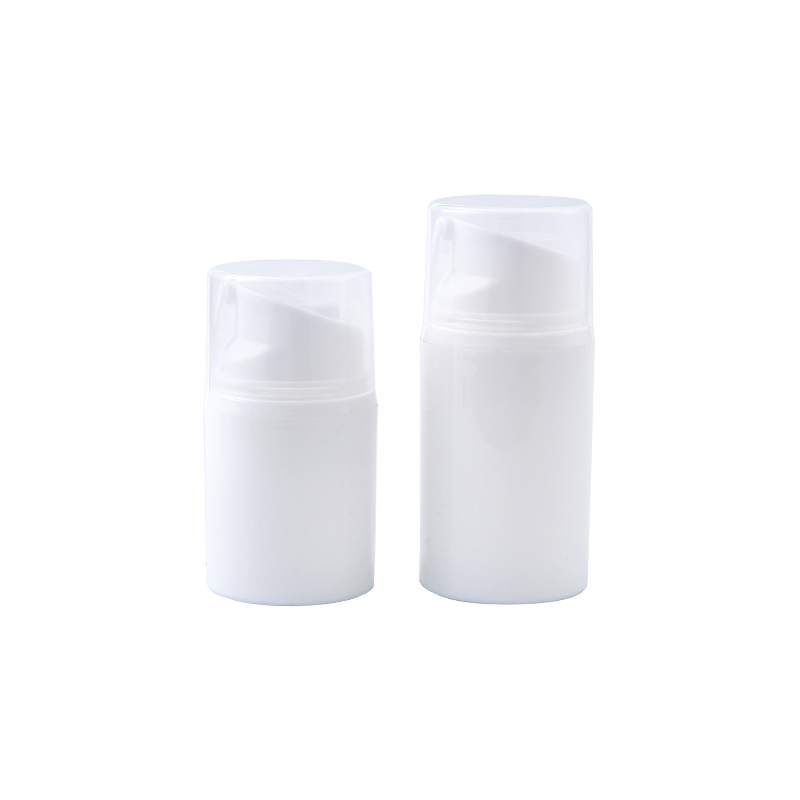
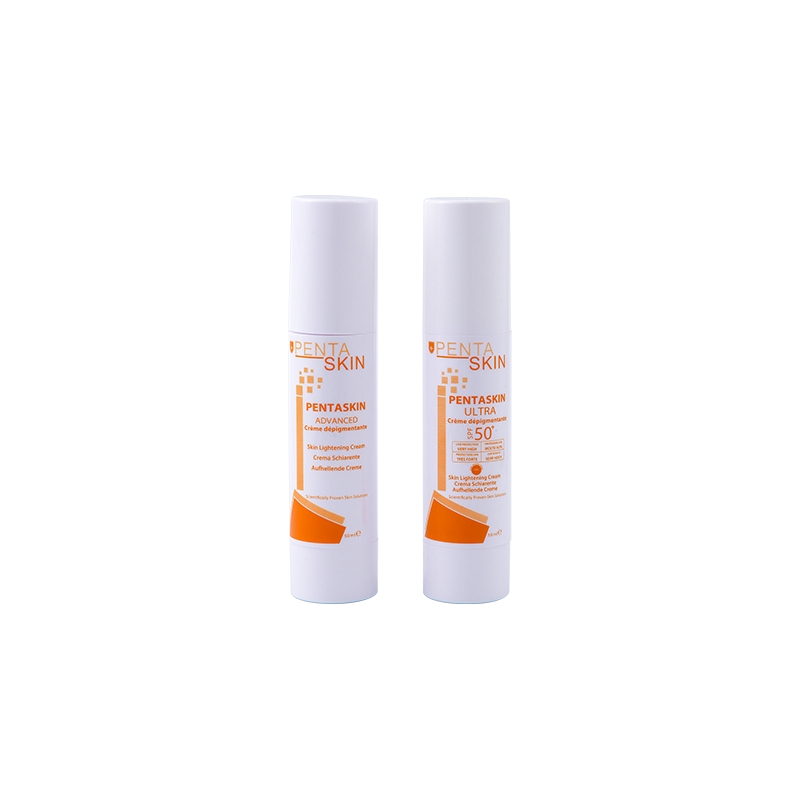
.png "Cream bottle with transparent cap")