Español
 Français
For individuals with sensitive or allergy-prone skin, navigating the world of skincare can feel like walking through a minefield. Ingredients, fragrances, and even packaging itself can trigger reactions. Could switching to products packaged in foam pump bottles be a simple yet effective strategy for reducing allergic reactions?
The Problem: Packaging as an Unseen Culprit
Traditional skincare packaging, like jars and tubs, introduces two significant risks for reactive skin:
- Preservative Load: Products exposed to air and frequent finger contact require higher levels of preservatives to prevent microbial growth. Many common preservatives (e.g., parabens, methylisothiazolinone, formaldehyde releasers) are well-known sensitizers and frequent causes of allergic contact dermatitis.
- Contamination: Dipping fingers into a jar introduces bacteria, fungi, and environmental pollutants directly into the product. This creates a breeding ground that can irritate skin or necessitate even stronger preservatives. Furthermore, exposure to air can degrade active ingredients and oxidize oils, potentially creating new irritants.
How Foam Pump Bottles Offer a Solution
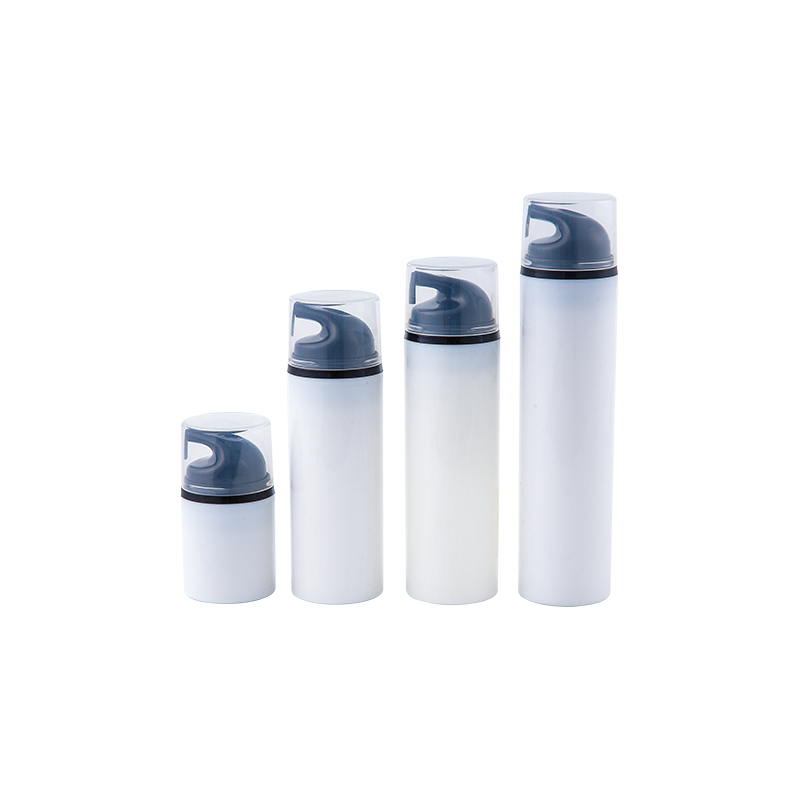
Foam pump bottles operate on an airless dispensing principle, creating significant advantages:
- Reduced Preservative Demand: The sealed system prevents air exchange and eliminates finger contact. This drastically reduces the risk of microbial contamination, allowing formulators to use significantly lower concentrations of preservatives or potentially utilize milder, less sensitizing alternatives. For allergy-prone individuals, less exposure to potential irritants is paramount.
- Enhanced Hygiene: Product dispenses directly onto hands or applicators without touching the remaining contents. This minimizes the introduction of contaminants throughout the product's lifespan.
- Controlled Dosage & Minimal Waste: Foam pumps dispense a precise amount as a fine foam. This promotes using only what's needed, preventing over-application (which can overwhelm sensitive skin) and reducing product waste. The foam texture itself can feel lighter and less occlusive, potentially beneficial for some reactive skin types.
- Formulation Stability: By shielding the product from light and air exposure, foam pumps help maintain ingredient integrity. This reduces the risk of active ingredients degrading or oils oxidizing – processes that can generate compounds irritating to sensitive skin.
Implementing Foam Pumps: A Sensible Strategy, Not a Guarantee
While foam pump technology offers clear hygienic and preservative-reducing benefits, it's crucial to understand its role within a broader allergy management plan:
- Ingredient Focus Remains Paramount: Packaging improves stability and reduces contamination, but it doesn't alter the inherent allergenic potential of the ingredients themselves. Avoiding known personal allergens (fragrances, specific botanicals, lanolin, etc.) is still the most critical step. Always scrutinize ingredient lists (INCI).
- Not All Foam Pumps Are Equal: The effectiveness depends on the quality of the airless mechanism and the formulation compatibility. Look for bottles that dispense consistently and feel sturdy.
- Complementary Approach: Foam pumps are a valuable tool, especially when combined with formulations specifically designed for sensitive skin (fragrance-free, minimal ingredient lists, dermatologist-tested).

.png "Cream bottle with transparent cap")