Español
 Français
In the world of skincare, the preservation of premium serums is a critical concern for both manufacturers and consumers. The choice of cosmetic container jars can significantly impact the efficacy, stability, and shelf life of these products.
Cosmetic container jars play a vital role in maintaining the integrity of premium serums, which often contain active ingredients like vitamins, antioxidants, and peptides. These ingredients can degrade when exposed to factors such as light, air, and chemical interactions. Understanding the properties of glass and plastic materials used in cosmetic container jars is essential for ensuring product quality and consumer satisfaction.
Types of Cosmetic Container Jars
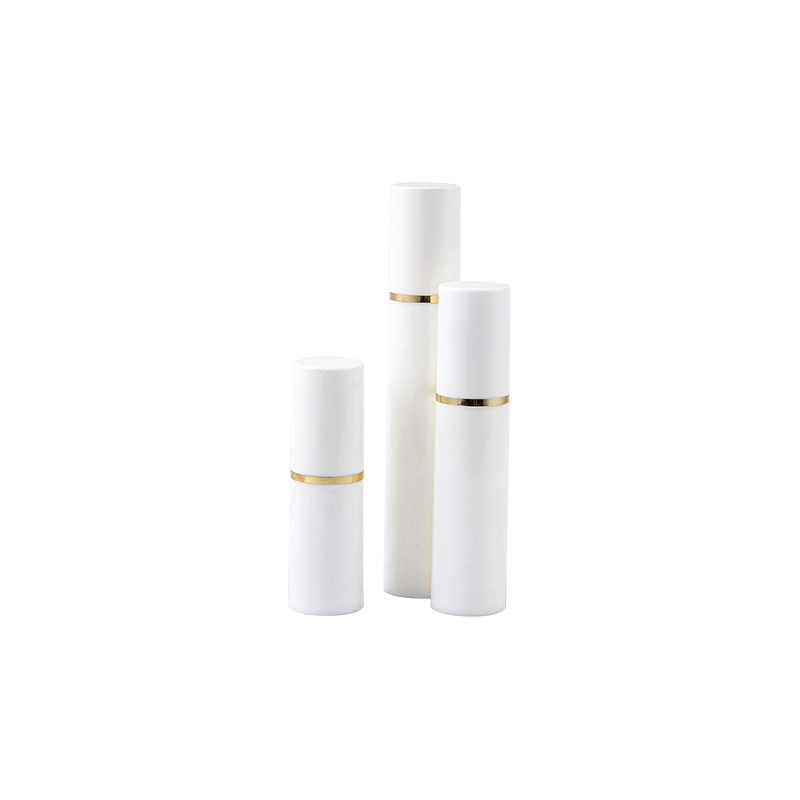
Cosmetic container jars are primarily made from glass or plastic, each with distinct variations.
-
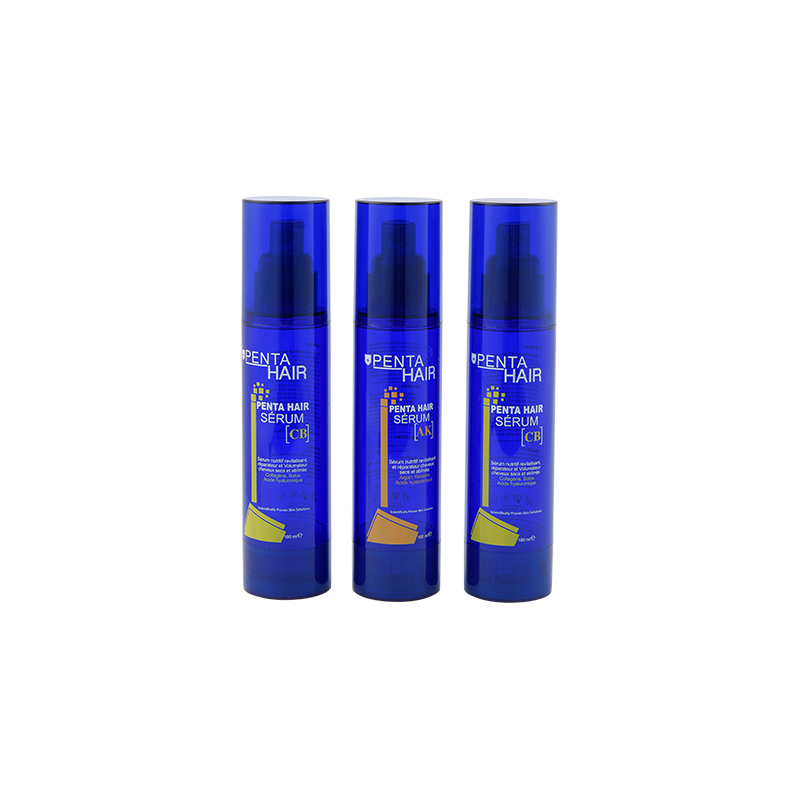
Glass Cosmetic Container Jars: These are commonly available in clear, amber, or cobalt blue glass. Amber glass is widely used for its ability to block ultraviolet (UV) light, which helps protect light-sensitive ingredients. Glass is inert, meaning it does not react chemically with the contents, making it suitable for formulations prone to oxidation.
-
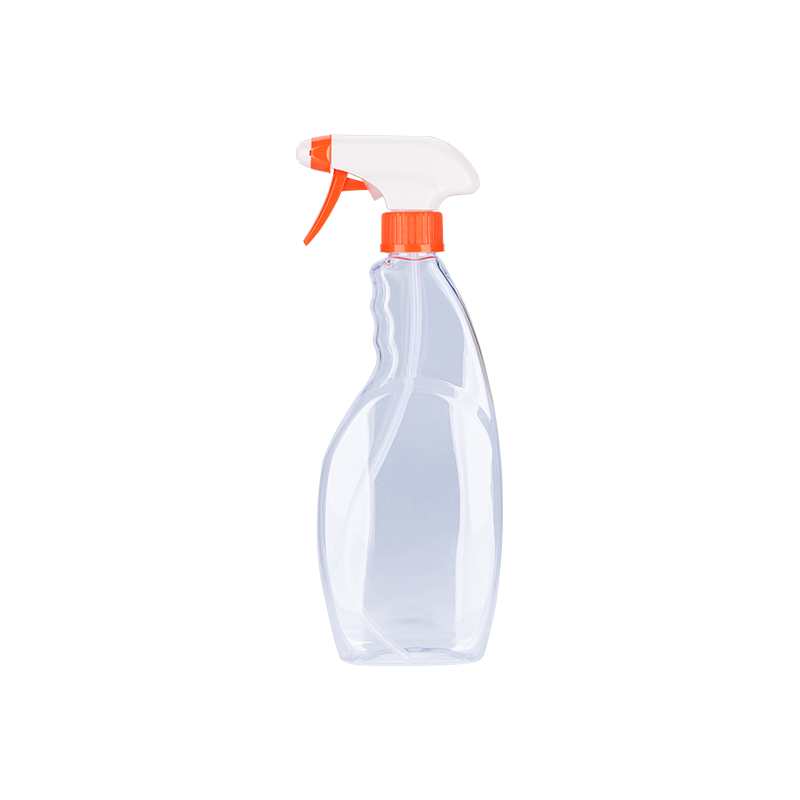
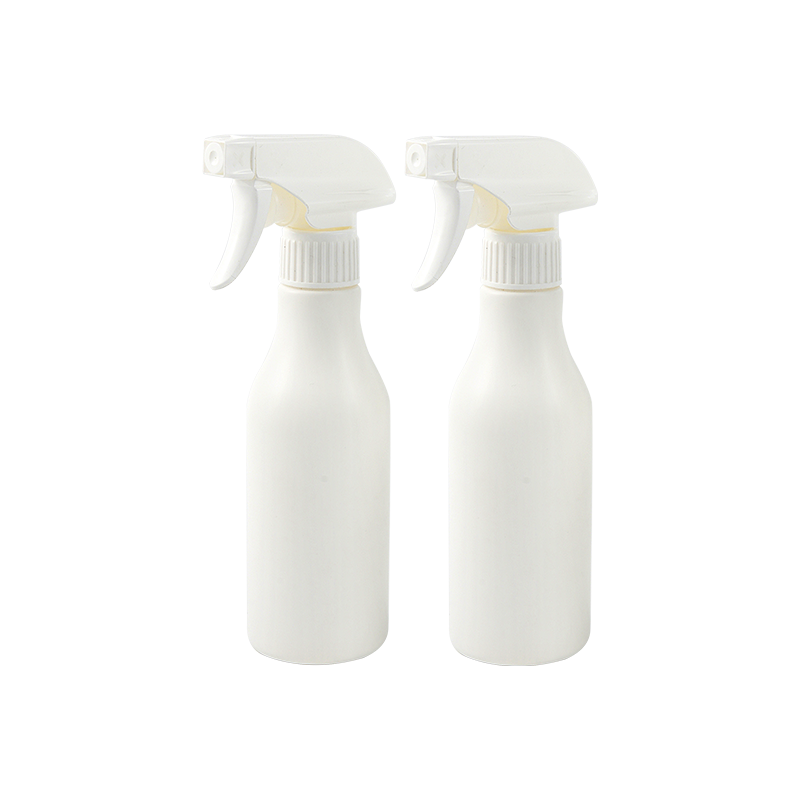
Plastic Cosmetic Container Jars: Plastic options include materials like polyethylene terephthalate (PET), high-density polyethylene (HDPE), and polypropylene (PP). PET is often chosen for its clarity and lightweight properties, while HDPE and PP offer better barrier protection against moisture and gases. Plastic cosmetic container jars are typically manufactured through injection molding processes, allowing for diverse shapes and designs.
Applications of Cosmetic Container Jars
The selection of cosmetic container jars depends on the specific requirements of the serum and its usage scenarios.
-
Glass Applications: Glass cosmetic container jars are ideal for serums containing ingredients like vitamin C or retinol, which are susceptible to degradation from light and air. They are commonly used in high-end skincare products where product purity and a premium feel are emphasized. However, glass may be less practical for travel due to its weight and fragility.
-
Plastic Applications: Plastic cosmetic container jars are favored for their durability, lightweight nature, and resistance to breakage. They are often used in products designed for on-the-go use or in formulations where cost-effectiveness is a consideration. However, certain plastics may not provide adequate protection against oxygen permeation, which could affect sensitive ingredients.
Comparison: Glass vs. Plastic Cosmetic Container Jars
A factual comparison of glass and plastic cosmetic container jars highlights key differences in their ability to preserve premium serums.
-
Barrier Properties: Glass cosmetic container jars generally offer superior barrier protection against oxygen and UV light, reducing the risk of ingredient degradation. For instance, amber glass can block up to 99% of UV light. Plastic cosmetic container jars, depending on the type, may allow slight permeation of gases, which could lead to oxidation over time. HDPE and PP provide moderate barriers, but they are not as effective as glass in preventing air exposure.
-
Durability and Safety: Plastic cosmetic container jars are less prone to breaking and are lighter, making them safer for handling and shipping. Glass, while more fragile, is non-porous and does not leach chemicals into the product. Some plastics, if not properly manufactured, might potentially interact with certain serum ingredients, though this is minimized in high-quality containers.
-
Environmental Impact: Glass cosmetic container jars are recyclable and often made from abundant materials, but their production and transportation can have a higher carbon footprint due to weight. Plastic cosmetic container jars are lightweight and require less energy to transport, but they contribute to plastic waste if not recycled properly. Both materials have trade-offs in sustainability.
-
Cost and Accessibility: Plastic cosmetic container jars are generally more cost-effective to produce and purchase, making them accessible for a wider range of products. Glass tends to be more expensive, reflecting its premium qualities and higher manufacturing costs.
Frequently Asked Questions (FAQ)
Q1: Which type of cosmetic container jar is better for preserving vitamin-based serums?
A: Glass cosmetic container jars, particularly amber or dark-tinted varieties, are often recommended for vitamin-based serums due to their excellent UV protection and non-reactive nature. However, high-barrier plastics like HDPE can be suitable if the serum is stored properly away from light.
Q2: Can plastic cosmetic container jars affect the potency of serums?
A: Yes, depending on the plastic material and the serum's ingredients. Some plastics may allow oxygen permeation, which can lead to oxidation and reduced efficacy. It is important to select plastic cosmetic container jars with appropriate barrier properties for the specific formulation.
Q3: Are glass cosmetic container jars always the superior choice?
A: Not necessarily. While glass offers better protection against environmental factors, plastic cosmetic container jars provide advantages in durability and portability. The choice should be based on the serum's sensitivity, intended use, and storage conditions.
Q4: How can consumers identify high-quality cosmetic container jars?
A: Look for containers that specify material types (e.g., amber glass, HDPE) and ensure they have tight-sealing lids to minimize air exposure. Reputable manufacturers often provide information on barrier properties and compatibility with cosmetic formulations.
The decision between glass and plastic cosmetic container jars hinges on a balance of protection, practicality, and product requirements. Glass cosmetic container jars excel in preserving the integrity of light- and air-sensitive serums, while plastic options offer convenience and cost benefits. By understanding the types, applications, and comparative factors, stakeholders can make informed choices to maintain the quality of premium serums. Always consider the specific needs of the formulation when selecting cosmetic container jars to ensure optimal preservation.

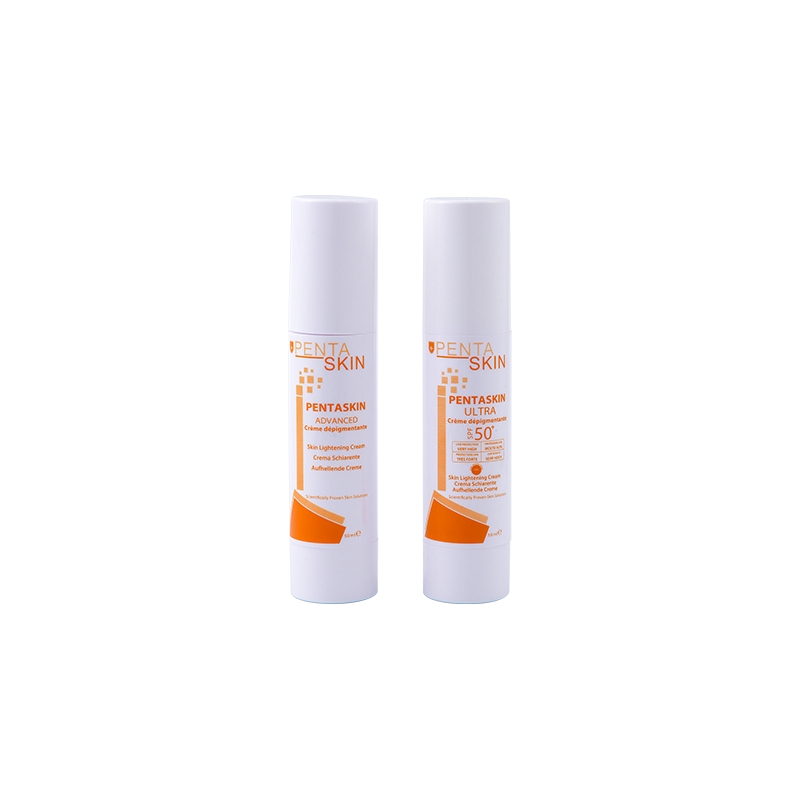
.png "Cream bottle with transparent cap")