Español
 Français
Lotion pumps are widely used in packaging for personal care products, offering convenience and controlled dispensing. However, users often encounter issues where lotion pumps fail to dispense properly, leading to frustration and product waste.
Understanding Lotion Pumps and Common Dispensing Issues
Lotion pumps are mechanical devices designed to draw liquid from a container and dispense it through a nozzle with each press. They typically consist of a pump mechanism, a dip tube, and an actuator. When a lotion pump does not dispense, it is often due to one or more of the following reasons:
-
Air lock: This occurs when air becomes trapped in the pump mechanism, preventing liquid flow. It can happen after initial use or if the container is not properly primed.
-
Clogging: Residue from the product, such as thickened lotions or particulates, can block the dip tube or nozzle over time.
-
Mechanical failure: Components like the spring or seal may wear out or break, especially with frequent use or improper handling.
-
Improper assembly: If the lotion pump is not correctly installed on the container, it may not create a vacuum needed for dispensing.
-
Product viscosity: High-viscosity formulations can strain the pump, reducing its efficiency.
To address these issues, users should first try simple troubleshooting steps, such as pressing the pump repeatedly to prime it, cleaning the nozzle with warm water, or ensuring the container is upright. For persistent problems, understanding the type of lotion pump in use can be helpful.
Types of Lotion Pumps
Lotion pumps vary in design and functionality, catering to different product needs. Common types include:
-
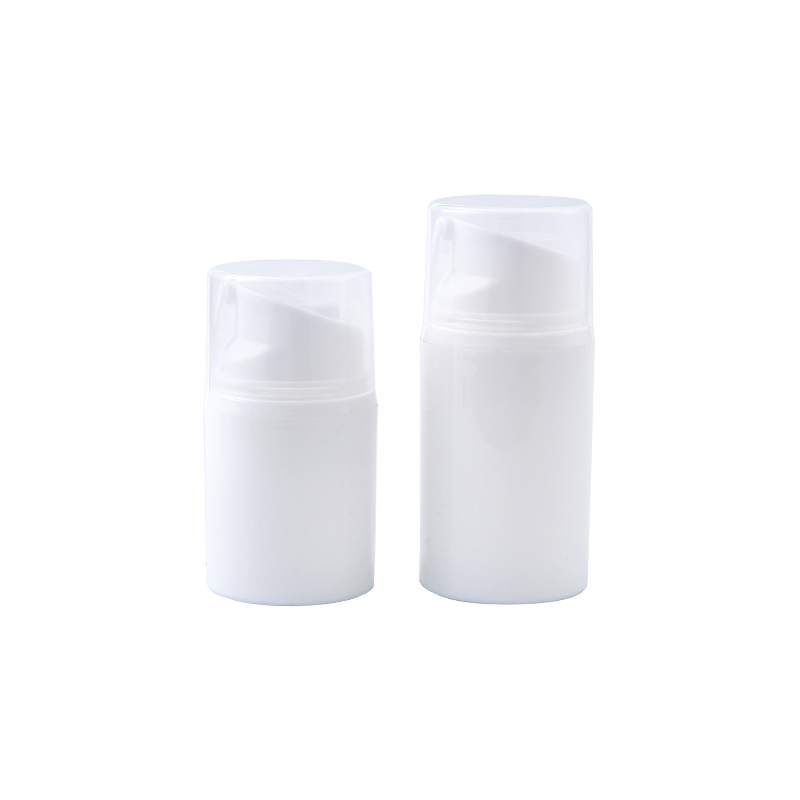
Standard lotion pumps: These are basic pumps suitable for low to medium-viscosity liquids. They often feature a lock mechanism to prevent leakage during transport.
-
Fine mist lotion pumps: Designed for lighter, sprayable formulations, these pumps produce a finer dispersion but may clog more easily with thicker products.
-
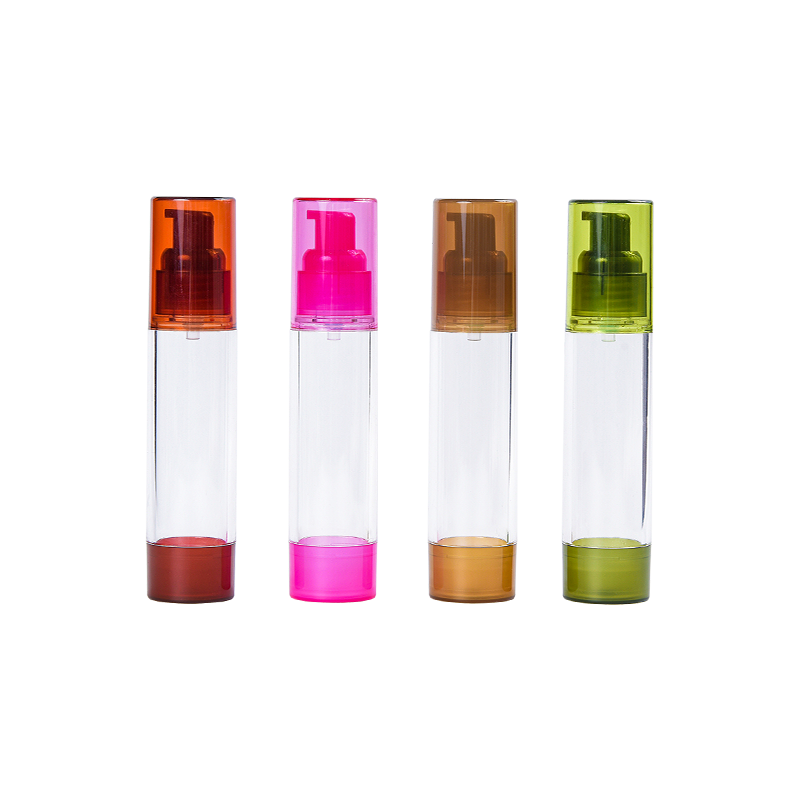
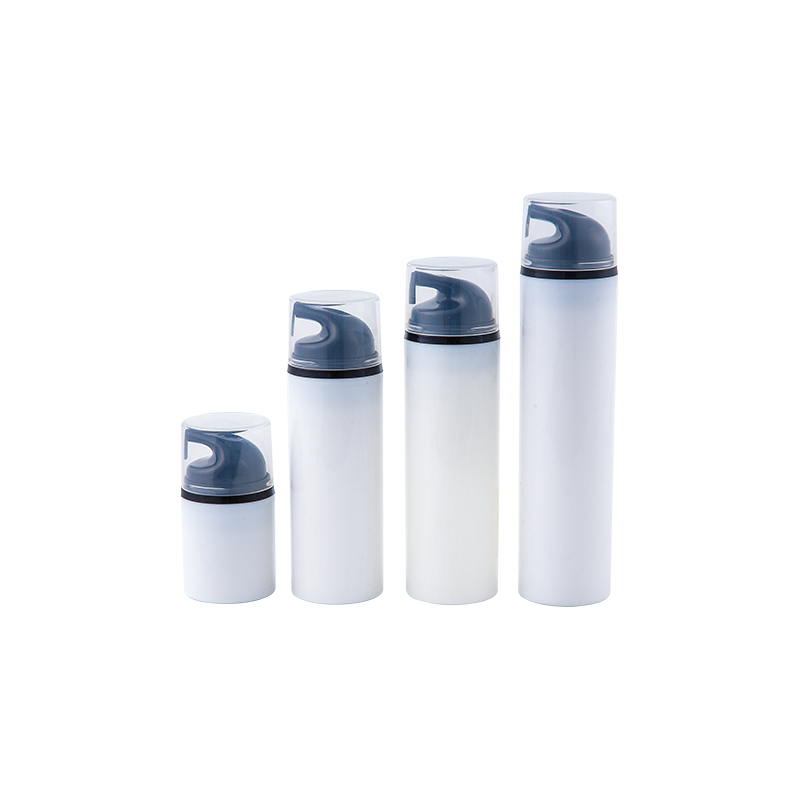
Airless lotion pumps: These systems use a piston to dispense product without air exposure, ideal for preserving sensitive ingredients. They are less prone to air lock but can be more complex.
-
Lotion pumps with custom actuators: Some pumps include specialized nozzles for targeted application, such as foaming or gel dispensing.
Each type has distinct advantages; for example, standard lotion pumps are cost-effective for everyday use, while airless versions offer better product protection. However, all types can experience dispensing failures if not maintained properly.
Applications and Best Practices
Lotion pumps are commonly used in skincare, cosmetics, and household products. To maximize performance and prevent issues, consider the following applications and maintenance tips:
-
For high-viscosity products: Choose lotion pumps rated for thicker formulations, and avoid over-tightening the pump during assembly to reduce strain.
-
Regular cleaning: Rinse lotion pumps with water after use, especially if switching products, to prevent cross-contamination and clogging.
-
Proper storage: Keep containers in a cool, dry place to avoid temperature-related changes in product consistency that could affect the pump.
-
Initial setup: When using a new lotion pump, prime it by pressing several times until product flows, ensuring no air remains in the system.
By adhering to these practices, users can extend the lifespan of lotion pumps and minimize dispensing problems. It is also important to note that lotion pumps are designed for specific container sizes and viscosities; using them outside recommended parameters can lead to failures.
Comparisons and Key Considerations
When evaluating lotion pumps, factors such as dispense volume, materials, and compatibility should be compared. For instance:
-
Dispense volume: Lotion pumps can be calibrated to deliver precise amounts, ranging from 0.1 ml to over 3 ml per press. Higher volumes may require more force, potentially increasing wear.
-
Materials: Most lotion pumps are made from plastics like polypropylene or polyethylene, which are durable and chemical-resistant. However, cheaper materials may degrade faster.
-
Compatibility: Lotion pumps must match the container's neck size and the product's pH to avoid corrosion or leakage.
In general, lotion pumps with simpler mechanisms are easier to troubleshoot, while advanced designs like airless pumps offer benefits but may need professional servicing if faulty. Users should consult product specifications to select appropriate lotion pumps for their needs.
Frequently Asked Questions (FAQs)
Q: Why does my lotion pump stop working after a few uses?
A: This can result from clogging due to product buildup or a worn-out spring. Regular cleaning and using pumps designed for the product's viscosity can help.
Q: Can I fix a lotion pump that won't dispense?
A: Yes, try priming by pressing the pump repeatedly, or disassemble and clean the parts with water. Avoid using sharp objects that could damage components.
Q: Are all lotion pumps the same?
A: No, lotion pumps vary by type, dispense volume, and material. It is essential to choose one compatible with your product and container.
Q: How do I prevent air lock in lotion pumps?
A: Ensure the container is full enough, and prime the pump before first use. Storing the container upright can also reduce air entry.
Q: Is it normal for lotion pumps to leak?
A: Minor leakage can occur if the pump is not locked or if seals degrade. Check for proper assembly and replace the pump if necessary.
Lotion pumps are reliable dispensing tools when used correctly, but issues like failure to dispense can arise from common causes such as air lock, clogging, or mechanical wear. By understanding the types, applications, and maintenance of lotion pumps, users can effectively troubleshoot problems and ensure optimal performance.

.png "Cream bottle with transparent cap")