Español
 Français
In the world of packaging, the lotion pump is a critical interface between a product and its user. Selecting the right one is not merely an aesthetic choice but a decision that impacts functionality, user experience, and preservation of the formula.
Key Selection Factors
A methodical evaluation of the following factors will lead to an optimal decision.
1. Viscosity of the Product
The thickness of your formula is the primary determinant.
-
Low Viscosity (e.g., toners, serums, water-like liquids): Standard lotion pumps with a simple piston mechanism work effectively.
-
Medium Viscosity (e.g., lotions, milky emulsions): These require lotion pumps designed with a more robust mechanism to handle the thicker consistency.
-
High Viscosity (e.g., creams, gels, hair paste): For these products, a cream or jar pump is necessary. They typically feature a wider stem and chamber to facilitate the movement of thick material without clogging.
2. Material and Compatibility
The construction materials are vital for product integrity.
-
Plastics (PP, PE, ABS): Commonly used for the housing, actuator, and dip tube. They are cost-effective and suitable for a wide range of formulas. Ensure they are compliant with relevant safety standards.
-
Glass and Metals: Often used for decorative collars or outer caps to enhance premium perception. Internally, stainless steel springs are standard for corrosion resistance.
-
Compatibility Testing: It is essential to conduct compatibility tests to ensure the pump's materials (including gaskets and seals) will not interact with the formula, leading to degradation, discoloration, or odor transfer.
3. Pump Mechanism and Output Volume
The mechanism defines the user experience and dosage control.
-
Output Volume (Shot Size): Lotion pumps are engineered to dispense a specific amount per full depression, measured in milliliters (mL) or grams (g). Common sizes range from 0.1cc for serums to 3.0cc or more for body lotions. Choosing the correct volume minimizes waste and ensures proper application.
-
Type of Actuation: Standard pumps require the user to press the actuator down. For foams or more viscous products, a locking or twist-to-open mechanism can prevent accidental discharge during shipping.
4. Locking Mechanism (LOT - Lock-On-Top)
A crucial feature for travel and leak prevention.
-
LOT Pumps: These can be locked by twisting the actuator, which disengages the pump mechanism. This prevents depression during transit, ensuring the bottle arrives intact and leak-free. This is considered a standard requirement for most modern packaging.
5. Dip Tube Length and Design
The dip tube transports the product from the bottle to the pump.
-
It must be cut to the correct length to reach the bottom of the container without coiling, ensuring nearly all product is dispensed.
-
The material must be flexible yet durable. Some are designed with a weighted end to follow the product level as it decreases.
6. Aesthetics and Finishing
The pump should align with the brand's image.
-
Options include various actuator shapes (flat, domed), finishes (matte, glossy, metallic plating), and collar styles (e.g., Euro neck finish, pump-over-cap designs).
Comparative Overview: Matching Pump to Product
| Product Type | Recommended Pump Type | Key Features |
|---|---|---|
| Watery Serums & Toners | Standard Fine Mist or Lotion Pump | Low output volume (0.1-0.5mL), fine actuator orifice. |
| Body Lotions & Shampoos | Standard Lotion Pump | Medium output volume (1.0-3.0mL), robust mechanism. |
| High-Viscosity Creams & Gels | Cream Jar Pump or Heavy-Duty Pump | Wide-mouth mechanism, high output volume, often requires a wider bottle neck. |
| Foaming Products | Foamer Pump | Special mechanism that mixes air with the liquid to create a foam. |
| Premium Skincare | Lotion Pump with Metal Spring | Enhanced feel, often with a custom-designed actuator and metalized finishes. |
Frequently Asked Questions (FAQ)
Q: What is the difference between a lotion pump and an airless pump?
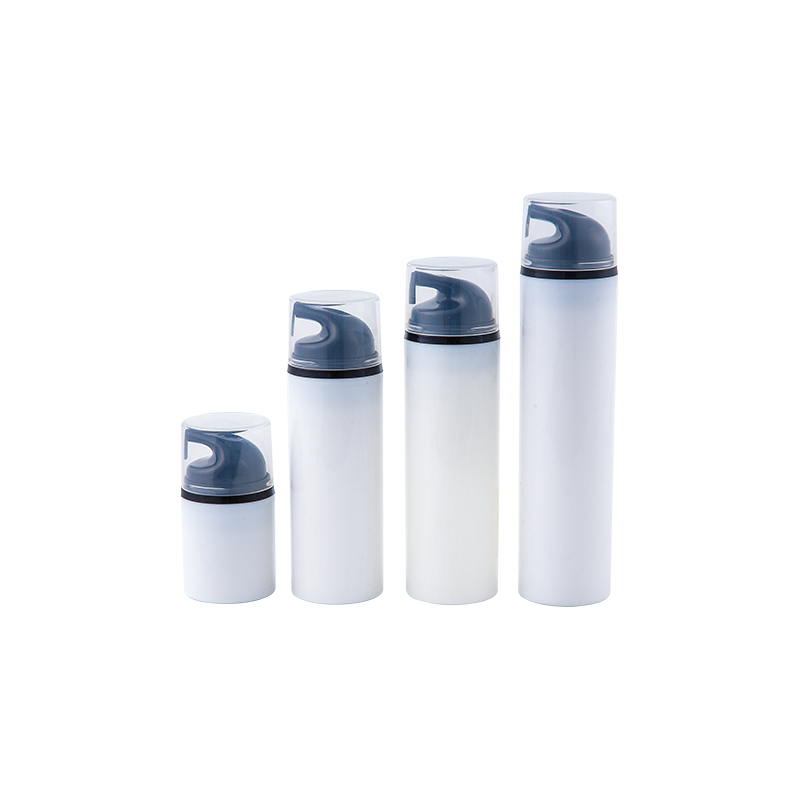
A: Lotion pumps rely on atmospheric pressure and a dip tube to bring product up and out. Airless pumps use a piston mechanism to push the product up from the bottom. Airless systems are superior for preserving formulas sensitive to air and light, as they prevent backflow of air into the container.
Q: How can I prevent a pump from clogging?
A: Clogging is often a result of formula-pump incompatibility or product drying in the mechanism. Selecting a pump designed for the formula's viscosity and ensuring a tight seal (often with a inner seal that is removed by the consumer upon first use) are the best preventive measures.
Q: Are lotion pumps recyclable?
A: This depends on local recycling facilities. Most lotion pumps are composed of multiple materials (different plastics, metal spring, glass ball), which are often difficult to separate, making them challenging to recycle through standard curbside programs. Some manufacturers offer guidance on disassembly for improved recyclability.
Q: What does 'metered dose' mean?
A: A metered dose pump is engineered to deliver a highly consistent and precise amount of product with each full activation, with minimal variance. This is critical for pharmaceuticals or products where dosage is important.
Selecting the most suitable lotion pumps is a multifaceted process that demands careful consideration of product characteristics, functional requirements, and branding goals. By systematically evaluating factors such as viscosity, material compatibility, and mechanism type, brands can make an informed decision that ensures product stability, consumer satisfaction, and market success. Engaging with suppliers early for samples and conducting rigorous testing is the final, essential step in the selection process.

.png "Cream bottle with transparent cap")