Español
 Français
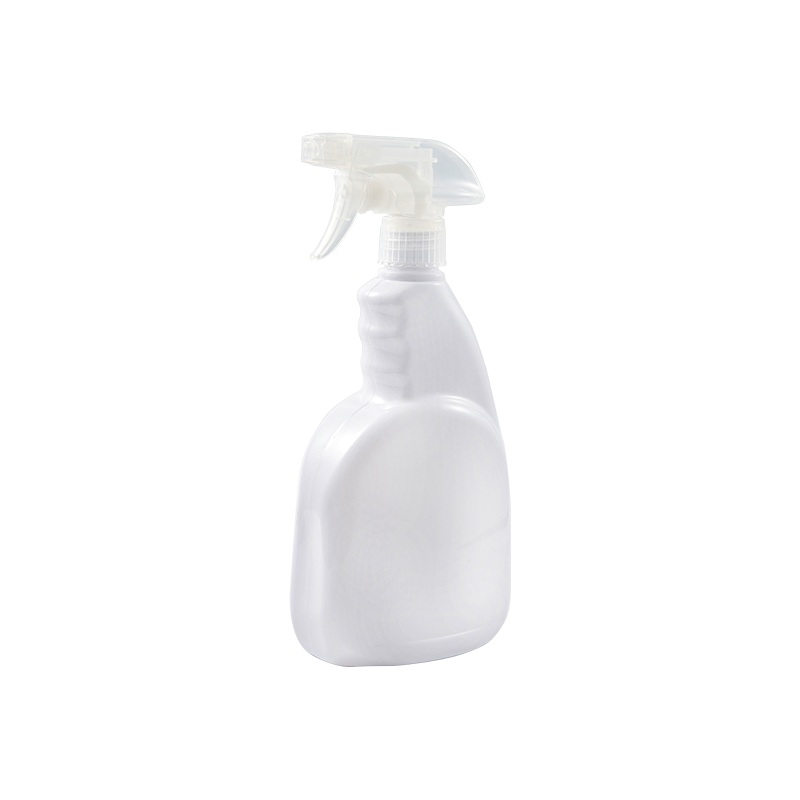
Trigger sprayers are essential tools for dispensing cleaning solutions, gardening products, or pesticides efficiently. However, clogged nozzles, leaks, or loss of pressure can render them frustratingly ineffective. The good news? Most issues can be resolved in minutes with simple troubleshooting—no need to replace the entire sprayer.
1. Clogged Nozzle: Restoring Flow Instantly
Symptoms: Spray pattern weakens or stops entirely.
Fix:
Step 1: Remove the nozzle by twisting it counterclockwise.
Step 2: Soak it in warm water mixed with white vinegar (1:1 ratio) for 2 minutes to dissolve mineral deposits.
Step 3: Use a toothpick or fine needle to gently clear debris from the nozzle hole. Avoid sharp tools that could widen the opening.
Step 4: Reassemble and test.
Pro Tip: Prevent clogs by rinsing the nozzle after each use.
2. Leaking Sprayer: Seal the Deal
Symptoms: Liquid drips from the trigger or hose connections.
Fix:
Step 1: Disassemble the sprayer and inspect the O-ring or gasket (usually located under the nozzle or inside the pump).
Step 2: Clean the seal with soapy water and check for cracks or wear. Replace if damaged (universal O-rings cost <$1 at hardware stores).
Step 3: Apply a thin layer of silicone grease to the seal to improve compression.
Step 4: Tighten all connections and test.
Pro Tip: Avoid overtightening plastic parts, as this can warp seals.
3. Weak Spray Pressure: Regain Power
Symptoms: Sprayer requires multiple pumps or delivers inconsistent pressure.
Fix:
Step 1: Check the pump chamber for debris. Unscrew the sprayer head and rinse the internal tube with warm water.
Step 2: Ensure the pickup tube (inside the bottle) isn’t cracked and reaches the bottom. Trim it if frayed.
Step 3: Test the sprayer without the nozzle. If pressure improves, revisit Step 1 (clogged nozzle).
Pro Tip: Use distilled water in solutions to minimize sediment buildup.
4. Sticky Trigger: Smooth Operation in Seconds
Symptoms: Trigger sticks or fails to spring back.
Fix:
Step 1: Lubricate the trigger pivot point with food-grade silicone spray or petroleum jelly.
Step 2: Work the trigger 10–15 times to distribute the lubricant.
Step 3: Wipe away excess residue to avoid attracting dust.
Pro Tip: Never use WD-40—it degrades plastic over time.
5. Air Bubbles in the Spray: Eliminate Inefficiency
Symptoms: Sprayer sucks air instead of liquid.
Fix:
Step 1: Tighten the bottle cap to ensure a proper vacuum seal.
Step 2: Check the pickup tube for cracks or gaps. Replace if necessary.
Step 3: Clean the filter screen (often located at the base of the pickup tube) with a soft brush.
Prevention: Extend Your Sprayer’s Lifespan
Flush the system with clean water after each use.
Store sprayers upright to keep seals lubricated.
Avoid harsh chemicals like bleach in plastic sprayers unless specified.

.png "Cream bottle with transparent cap")