Español
 Français
The familiar squeeze bottle dominates kitchen sinks, but the rise of foam pump dispensers for hand soap has many wondering: Is a foam pump bottle suitable for dispensing dish soap? The answer, like cleaning itself, is nuanced. While foam pumps offer distinct advantages, their suitability depends on understanding the chemistry, mechanics, and practical realities involved.
How Foam Pumps Work: The Science Behind the Suds
Unlike standard liquid pumps that deliver undiluted product, foam pumps operate on an air-injection principle. When the pump is depressed:
- Liquid Draw: The pump draws a small amount of dish soap solution from the bottle.
- Air Intake: Simultaneously, the pump mechanism draws in air.
- Mixing & Expansion: The soap solution and air are forced through a fine mesh screen or mixing chamber within the pump head. This action vigorously agitates the mixture, creating a dense, aerated foam.
- Dispensing: The pre-lathered foam is expelled onto the user's sponge, brush, or directly onto dishes.
Potential Advantages: Efficiency and Perception
- Controlled Dispensing: Foam pumps deliver a measured, consistent amount of product with each pump, potentially reducing accidental over-pouring common with liquid bottles.
- Water Conservation: Because the soap is pre-lathered, users often perceive they need less water for rinsing. While actual water savings depend heavily on user habits, the feeling of easier rinsing is a common benefit.
- Ease of Application: Foam adheres well to vertical surfaces (like plates or glasses) and spreads easily over flatware, potentially improving initial coverage compared to some liquid soaps.
- Reduced Product Waste: The controlled dispensing can lead to less product being used per wash cycle compared to free-pouring liquid soap, especially for lighter cleaning tasks.
Key Considerations and Potential Drawbacks
- Dilution Factor: This is the most critical aspect. Foam pumps require the dish soap to be pre-diluted with water inside the bottle. Typical dilution ratios range from 4:1 to 6:1 (water:soap) or even higher, depending on the pump and soap viscosity. This means:
- Reduced Cleaning Concentration: The active cleaning agents (surfactants) are diluted at the point of application. While foam spreads well, its cleaning power per pump is inherently less concentrated than undiluted liquid soap. For heavily soiled pots or baked-on grease, undiluted liquid soap applied directly often provides superior initial penetration and grease-cutting power.
- Residue Risk: Improper dilution (too much soap for the water ratio) can lead to excess foam that is difficult to rinse completely, potentially leaving a filmy residue on dishes.
- Formula Compatibility: Not all dish soap formulas are equally suited for dilution. Highly concentrated or ultra-thick formulas might not dilute effectively or could clog the pump mechanism over time. Thinner, less concentrated formulas generally work better.
- Pump Mechanism Sensitivity: Foam pumps contain finer screens and tighter tolerances than standard liquid pumps. They are more susceptible to clogging from soap scum buildup, mineral deposits in hard water, or particulate matter in the soap itself. Regular cleaning of the pump mechanism is crucial for longevity.
- Cost Factor: Foam pump bottles themselves are generally more complex and expensive than standard liquid pump or squeeze bottles. While potential product savings might offset this over time, the initial cost is higher.
- "More Foam" Doesn't Equal "More Cleaning": It's vital to understand that foam itself is primarily air and water. The cleaning power comes from the surfactants present in the diluted solution. An abundance of foam doesn't necessarily translate to superior cleaning; it's the effective concentration and action of the surfactants that matter.
Best Practices for Using Foam Pumps with Dish Soap
If you choose to use a foam pump for dish soap:
- Select an Appropriate Soap: Opt for a standard (non-ultra-concentrated), relatively thin dish soap. Avoid formulas with large particulates (like scrubbers) or extremely high viscosity.
- Dilute Correctly: Follow the dilution ratio recommended by the pump manufacturer or start conservatively (e.g., 5:1 water:soap) and adjust based on performance and sudsing. Err on the side of less soap if unsure to prevent residue and pump clogging.
- Use for Appropriate Tasks: Foam pumps excel for lighter washing tasks like rinsing lightly soiled plates, glasses, and cutlery. For heavily greasy pans or baked-on food, applying undiluted liquid soap directly is often more effective.
- Maintain the Pump: Rinse the pump mechanism thoroughly with warm water regularly (e.g., weekly or when refilling) to prevent clogging from soap residue. Some pump heads can be disassembled for deeper cleaning.
- Monitor Performance: Pay attention to changes in foam quality or dispensing difficulty, indicating potential clogging or the need for dilution adjustment.
Foam pump bottles can be suitable for dispensing dish soap, particularly for consumers focused on controlled dispensing, potential water savings perception, and ease of application for routine cleaning tasks. However, their success hinges critically on proper dilution with a compatible soap formula and diligent pump maintenance. The inherent dilution means they deliver less concentrated cleaning power per pump compared to undiluted liquid, making them less ideal for tackling heavy grease without significant manual effort. For professionals in food service or households dealing with frequent heavy soil, standard liquid soap dispensers often remain the more robust and potent choice. Ultimately, the suitability of a foam pump for dish soap depends on individual priorities, cleaning habits, and a clear understanding of its operational requirements.

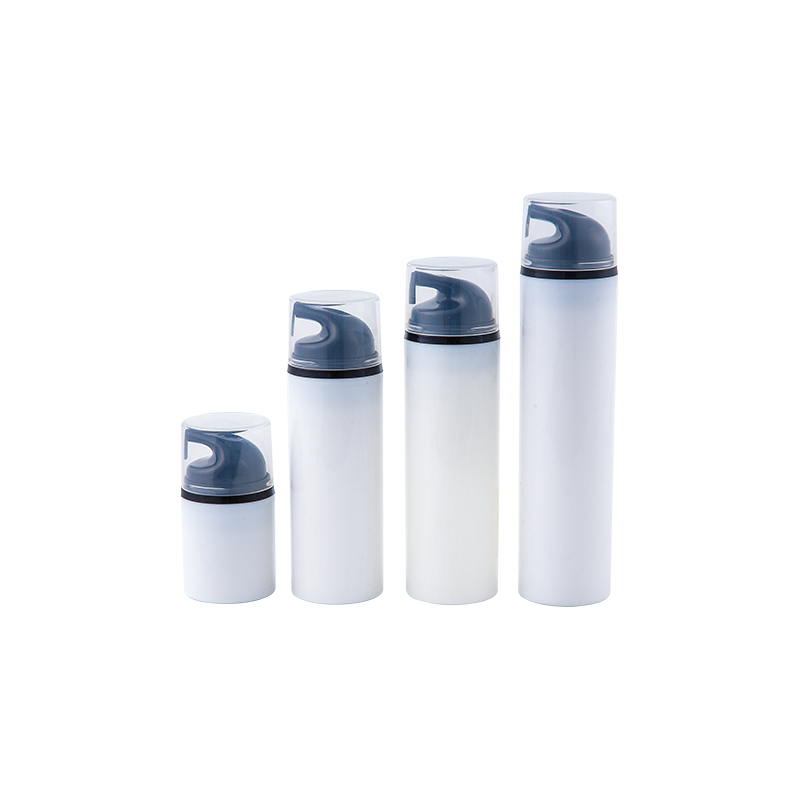
.png "Cream bottle with transparent cap")