Español
 Français
For consumers seeking to reduce their environmental footprint, everyday product packaging choices matter. Among hand soaps, body washes, and facial cleansers, the foam pump bottle stands out as a demonstrably more eco-friendly option compared to traditional liquid lotion pumps. This advantage stems from several key design and functional aspects:
-
Reduced Material Consumption:
-
Concentrated Product: Foam pump bottles typically contain a more concentrated liquid formula. A significant portion of the bottle is actually water or solvent added later by the consumer or dispenser.
-
Less Plastic: Because the product is concentrated, manufacturers can use significantly smaller plastic bottles to deliver the same number of uses. Producing smaller bottles directly translates to less virgin plastic resin required, reducing resource extraction and the energy footprint of plastic production.
-
Smaller Caps/Labels: Smaller bottles also mean smaller caps and often less label material, further minimizing resource use.
-
-
Optimized Transportation Efficiency:
-
Lighter Weight: Smaller bottles filled with concentrated product weigh substantially less than larger bottles filled with diluted liquid.
-
More Units per Shipment: Their compact size allows more units to be packed onto a single pallet and into shipping containers or trucks.
-
Lower Emissions: The combined effect of reduced weight and increased packing density significantly lowers fuel consumption and associated greenhouse gas emissions per unit of product delivered during transportation.
-
-
Precise Dosing & Reduced Product Waste:
-
Controlled Dispensing: Foam pumps deliver a specific, measured amount of foam with each actuation. This consistency prevents the over-pouring common with traditional liquid pumps, where users often dispense more than needed.
-
Efficient Usage: The aerated foam spreads easily and effectively cleans with less physical product volume required per use compared to liquid. Users tend to use less product overall to achieve the same result.
-
Less Down-the-Drain Waste: Reduced over-dispensing and efficient use mean less product is ultimately washed down the drain, minimizing the load on wastewater treatment systems and potential aquatic impacts.
-
-
Water Conservation (Indirect):
-
Effective Lathering: Pre-formed foam requires less water to rinse off compared to thicker lotions or gels that need more water to lather and rinse thoroughly. While the primary water savings occur during use by the consumer, the foam format facilitates this efficiency.
-
Important Considerations & Responsible Use:
-
Dispersion Mechanism: The eco-benefits rely on the specific mechanism of the foam pump. Not all airless or special pumps deliver true foam; ensure the product dispenses as a pre-lathered foam.
-
End-of-Life: Like all plastic packaging, responsible disposal is crucial. Check local recycling guidelines. Smaller bottles are generally recyclable where #1 (PET) or #2 (HDPE) plastics are accepted, if properly cleaned. The pump mechanism complexity may require separation (check locally) or disposal in general waste if not recyclable.
-
Formula Matters: The environmental impact of the product inside the bottle (biodegradability, sourcing of ingredients, aquatic toxicity) remains a critical factor alongside packaging. Look for brands prioritizing both sustainable packaging and formulations.
-
Refill Systems: The highest eco-efficiency often comes from concentrated refills designed for durable foam pump dispensers. While not always available, this model drastically cuts primary packaging waste.

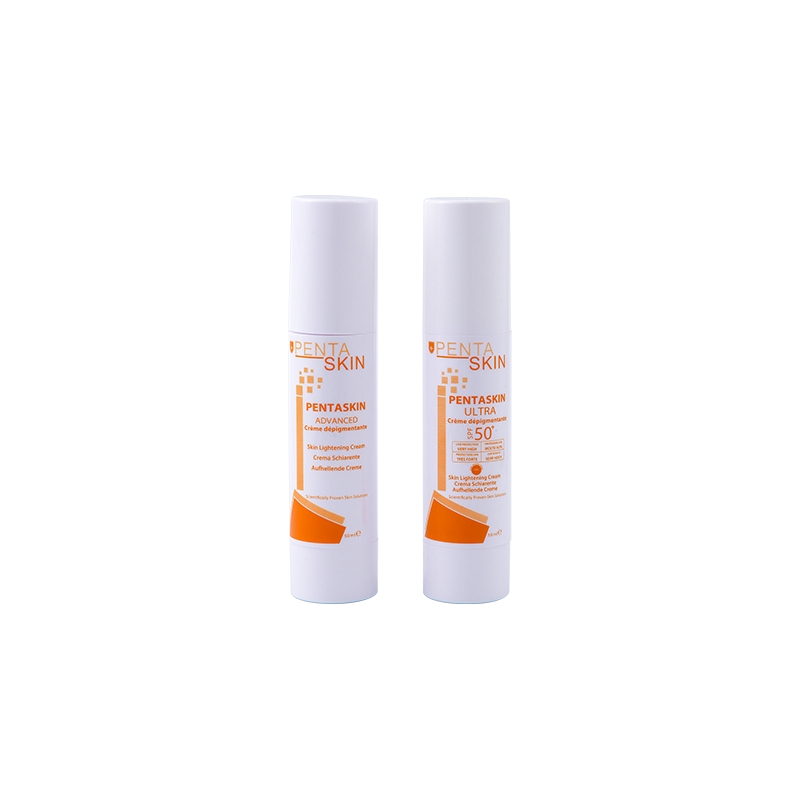
.png "Cream bottle with transparent cap")