Español
 Français
In the world of cosmetics, personal care, and pharmaceuticals, the packaging is far more than just a container; it is an integral part of the product experience, preservation, and delivery. Among the most critical components are the dispensing systems. Two prevalent technologies, Lotion Pumps and Airless Pumps, often appear similar to the untrained eye but operate on fundamentally different principles. Understanding their distinctions is crucial for brands, manufacturers, and informed consumers to ensure product integrity, efficacy, and user satisfaction.
1. Fundamental Working Mechanism
The core difference lies in how the product is expelled from the bottle.
-
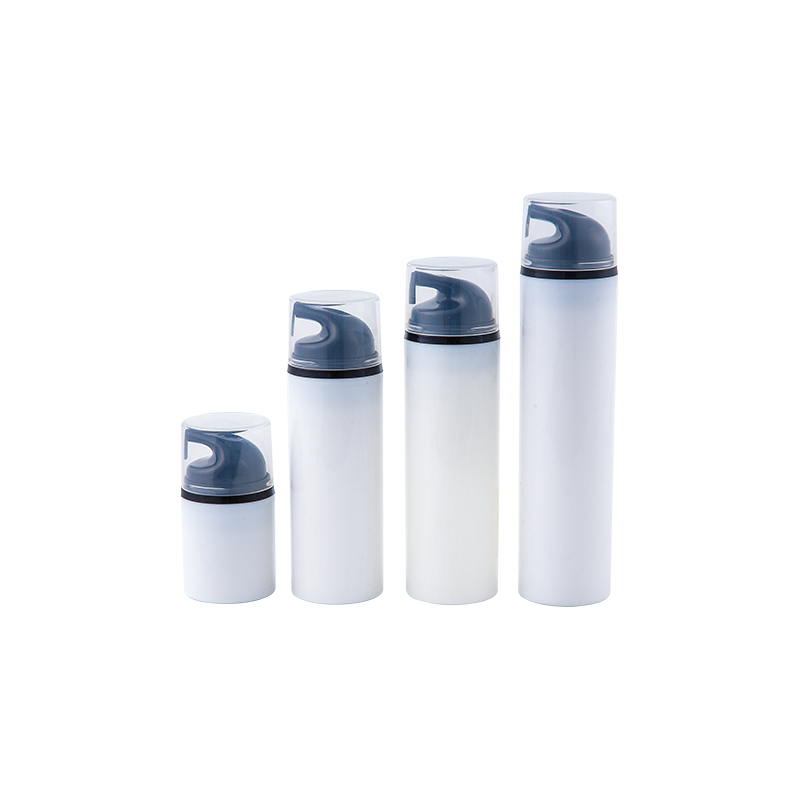
Lotion Pumps (Atmospheric Pressure Pumps): A Lotion Pump is a spring-activated piston mechanism that relies on atmospheric pressure to function. When the user presses the actuator, the piston creates a vacuum within the dip tube. This vacuum draws the product up through the dip tube and out through the nozzle. Upon release, the spring returns the piston to its original position, allowing air to enter the bottle to replace the dispensed product. This air intake is a defining characteristic of traditional pump systems.
-
Airless Pumps: As the name implies, Airless Pump systems are designed to prevent any air from entering the product chamber. They typically consist of an airtight container and a mechanism—often a piston floor or a collapsible bag—that rises as the product is dispensed. This is usually achieved by a mechanical pump sitting atop a platform that pushes the entire contents upward. No air replaces the dispensed product, creating a vacuum that prevents the remaining product from settling back down.
2. Primary Applications and Product Compatibility
The choice between these systems is heavily influenced by the product's formulation.
-
Lotion Pumps: These are ideal for a wide range of low to medium-viscosity products that are not highly susceptible to oxidation or contamination by air. Common applications include:
-
Body lotions and hand creams
-
Shampoos and conditioners
-
Shower gels
-
Liquid soaps
-
Some culinary and industrial liquids
-
-
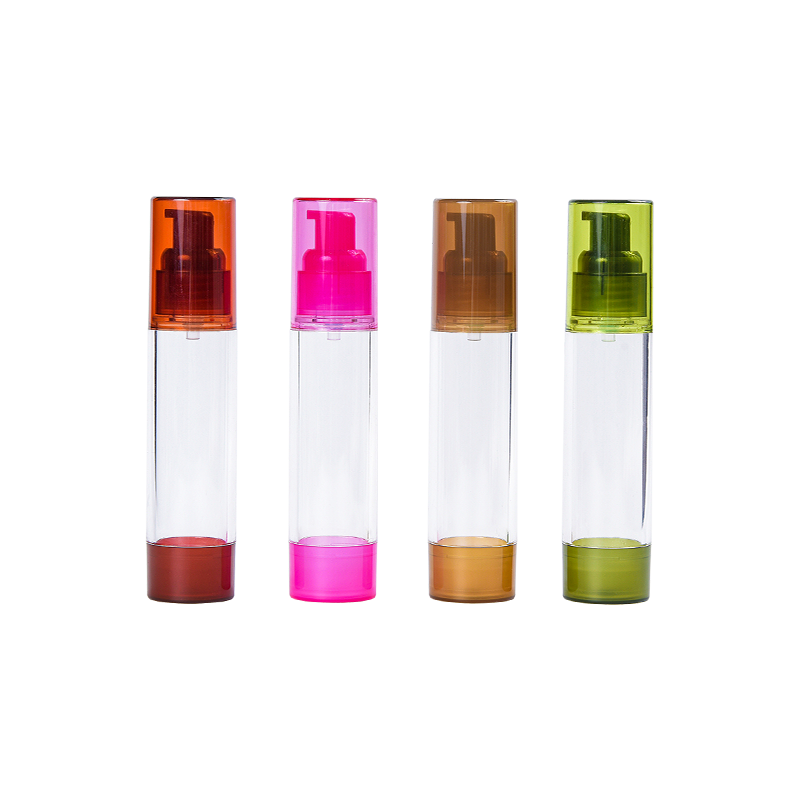
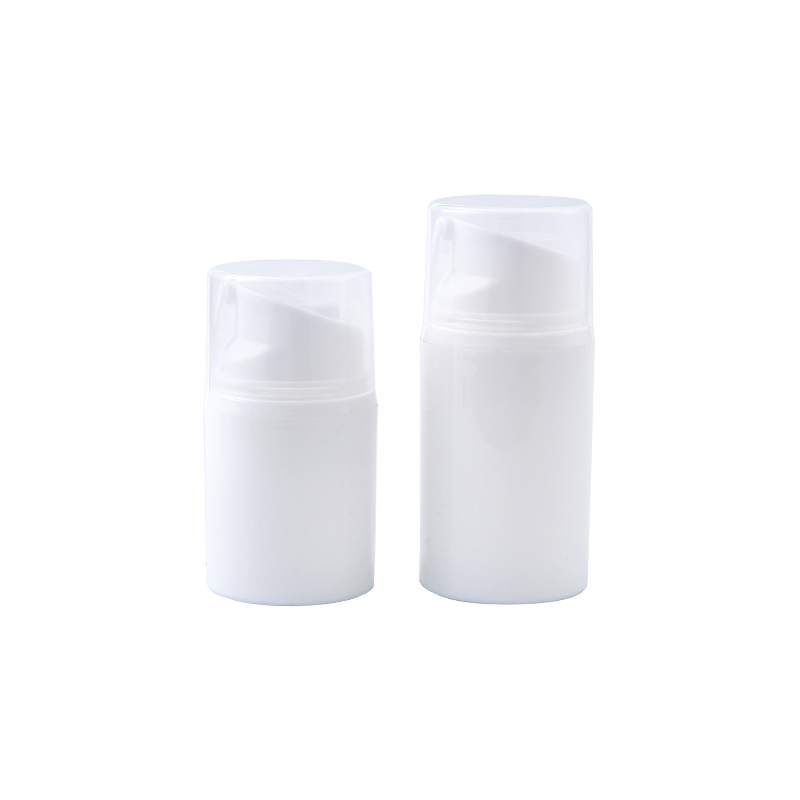
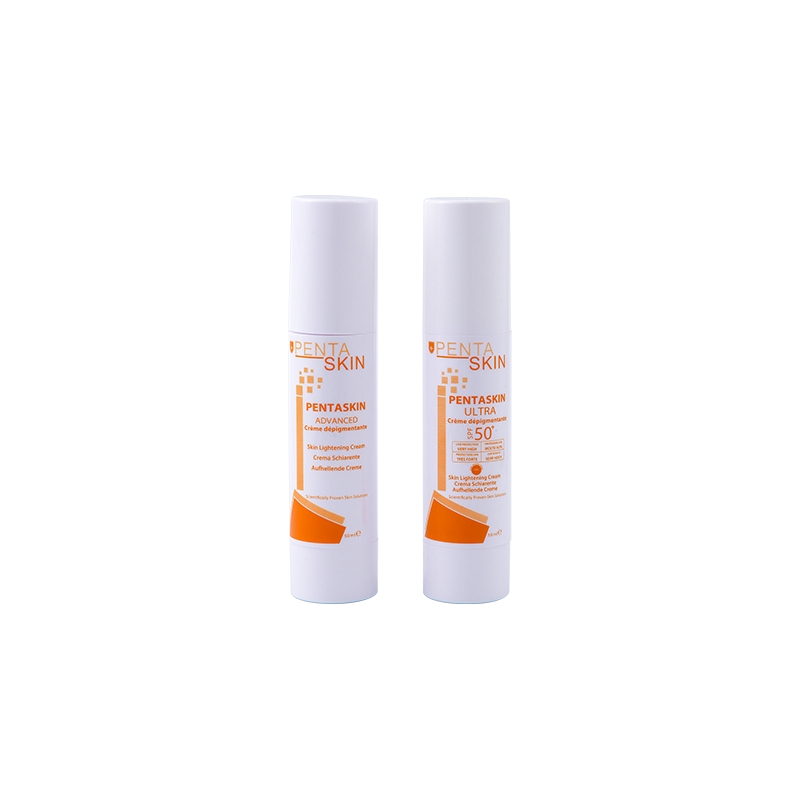
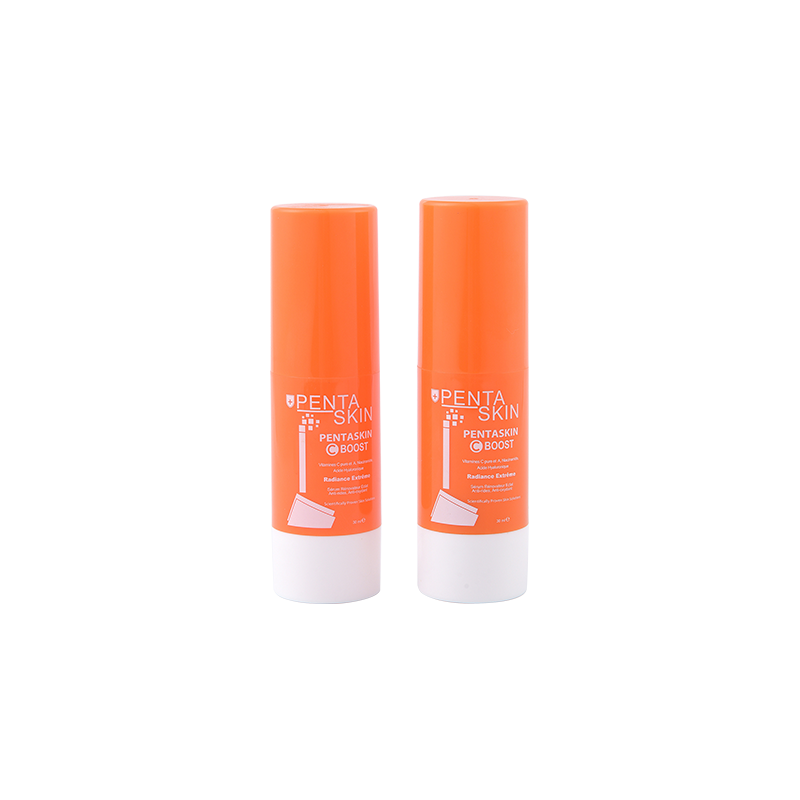
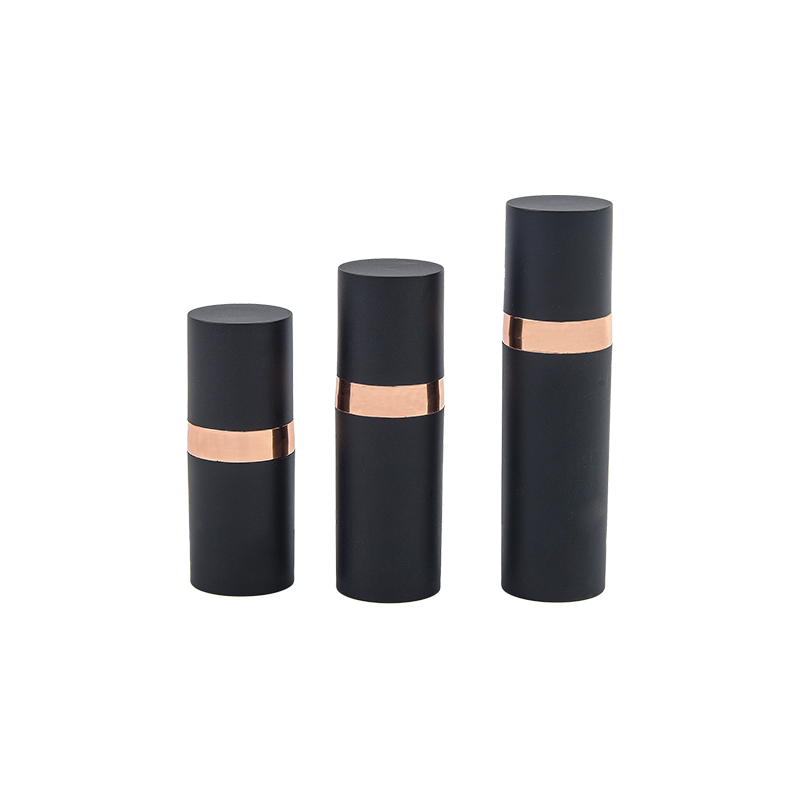
Airless Pumps: These are the preferred choice for premium, sensitive, or high-value formulations where preservation is paramount. They are extensively used for:
-
Anti-aging serums and concentrates
-
Vitamin C and other antioxidant-rich formulations
-
Organic and preservative-free products
-
High-end facial creams and treatments
-
Topical pharmaceutical preparations
-
3. Advantages and Limitations
Each system offers a distinct set of benefits and trade-offs.
Lotion Pumps:
-
Advantages: Generally more cost-effective to manufacture. They offer a wide variety of actuator heads (e.g., mist, foam, lotion) for different dispensing experiences. The design is simple, reliable, and widely understood.
-
Limitations: Constant exposure to air can lead to oxidation, degradation of active ingredients, and potential contamination by microbes. They often cannot fully evacuate the product, leading to waste. The product can sometimes retract into the dip tube.
Airless Pumps:
-
Advantages: Superior product protection from air, light (if housed in an opaque container), and bacterial contamination. This significantly extends shelf life and preserves ingredient potency. They ensure nearly 100% product evacuation, reducing waste. The modern and premium aesthetic is often associated with high-end brands.
-
Limitations: Typically have a higher unit cost. The mechanism is more complex. They can be difficult to refill or recycle due to their multi-component construction. The dispensing rate is usually fixed.
4. Consumer Experience and Perception
From a user's perspective, the experience differs. A Lotion Pump provides a familiar, straightforward dispensing action. In contrast, an Airless Pump often features a sleek, button-less design that is activated by pressing down on the entire actuator, which is perceived as more modern and hygienic. The ability of airless systems to dispense every last bit of product is a significant consumer satisfaction factor.
The decision between a Lotion Pump and an Airless Pump is not about which is objectively better, but about which is appropriate for the specific product and brand positioning.
-
Choose a Lotion Pump for products where stability is not a primary concern, for cost-sensitive lines, or for high-volume applications where the classic pump feel is desired.
-
Choose an Airless Pump for formulations containing sensitive active ingredients, for products with little to no preservatives, or for brands where a premium, innovative, and hygienic image is a key part of the value proposition.
While both systems serve the primary function of dispensing liquid products, their operational philosophies cater to vastly different needs. Lotion Pumps represent a reliable, economical workhorse for stable formulations, while Airless Pumps offer advanced protection for delicate, high-value compositions. Understanding this fundamental distinction is essential for making an informed packaging decision.

.png "Cream bottle with transparent cap")