Español
 Français
Lotion pumps are ubiquitous in the packaging industry for dispensing a wide range of personal care, cosmetic, and pharmaceutical products. A common question among product developers and formulators is whether these dispensing systems are universally compatible with liquids of all viscosities.
Understanding the Basic Mechanism of a Lotion Pump
A typical lotion pump is a precision-engineered mechanical device. The core components include a spring, a piston, a ball valve, and a dip tube. The user applies downward force on the actuator, which compresses the spring and creates pressure within the chamber. This pressure closes the inlet ball valve and forces the product up through the piston and out of the nozzle. Upon release, the spring returns the actuator to its original position, creating a vacuum that draws more product up the dip tube from the container, ready for the next dispense.
Ideal Viscosity Range for Standard Lotion Pumps
Standard lotion pumps are primarily designed for medium-viscosity formulations. They perform optimally with products that have a viscosity profile similar to that of hand lotions, shower gels, or liquid soaps. This typically falls within a range that allows the product to flow easily through the pump mechanism without excessive resistance or need for undue force from the user. These formulations are thin enough to be drawn up the dip tube efficiently yet thick enough to be dispensed in a controlled, cohesive stream or dollop without dripping.
Challenges with Low-Viscosity Liquids
For very thin, watery liquids (e.g., toners, serums, or certain cleaning solutions), standard lotion pumps can present significant challenges:
-
Dripping and Leaking: Low-viscosity liquids may not form a clean break at the nozzle after dispensing, leading to post-dispense dripping.
-
Over-Priming and Spillage: The low resistance can cause the pump to prime too easily, potentially leading to accidental dispensing or even leakage during shipping or storage.
-
Inaccurate Dosage: The fluid may dispense too rapidly, making it difficult for users to control the amount released.
Challenges with High-Viscosity Liquids
Conversely, very thick, paste-like products (e.g., thick creams, ointments, or honey-like substances) also pose problems for standard pumps:
-
High Actuation Force: The user must apply excessive pressure to compress the spring and move the viscous fluid through the mechanism, leading to a poor user experience.
-
Incomplete Priming/Starving: The product may be too thick to flow quickly up the dip tube and refill the pump chamber efficiently. This can result in an inconsistent or incomplete discharge, often referred to as "pump starvation."
-
Air Locking: Viscous products can trap air within the dip tube or chamber, preventing proper priming and leading to pump failure.
Key Factors in Selecting the Right Pump
Therefore, while standard lotion pumps are versatile, they are not a one-size-fits-all solution. Selecting the appropriate dispensing solution depends on several factors:
-
Viscosity: This is the primary consideration. Measured in centipoise (cP) or Pascal-seconds (Pa·s), the viscosity value directly dictates the required pump design.
-
Dip Tube Diameter: Pumps for thicker liquids often feature a wider dip tube to facilitate product flow.
-
Spring Strength: The force of the spring must be calibrated to match the product's resistance. High-viscosity formulations require a stronger spring.
-
Valve and Chamber Design: The internal geometry and valve mechanisms can be optimized to handle either very free-flowing or highly resistant fluids.
-
Actuator Nozzle: The design of the outlet can mitigate dripping for low-viscosity liquids or help shape the dispense of high-viscosity ones.
Solutions and Alternatives
For formulations outside the standard viscosity range, several options exist:
-
Modified Lotion Pumps: Many pump manufacturers offer engineered variants. For low-viscosity liquids, anti-drip or leak-resistant valves are available. For high-viscosity products, pumps with wider tubes, larger chambers, and heavier springs are standard offerings.
-
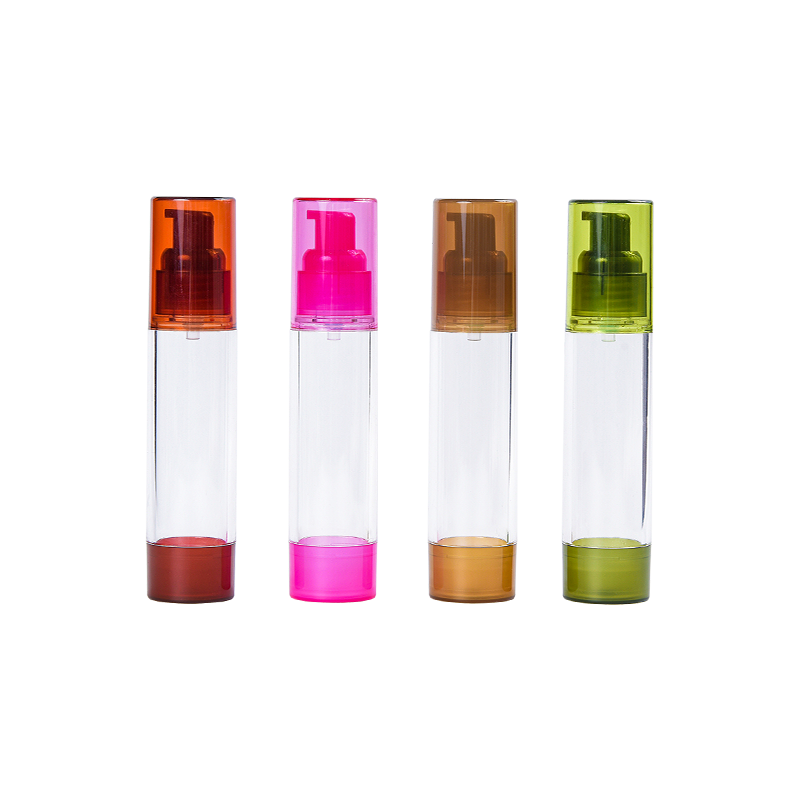
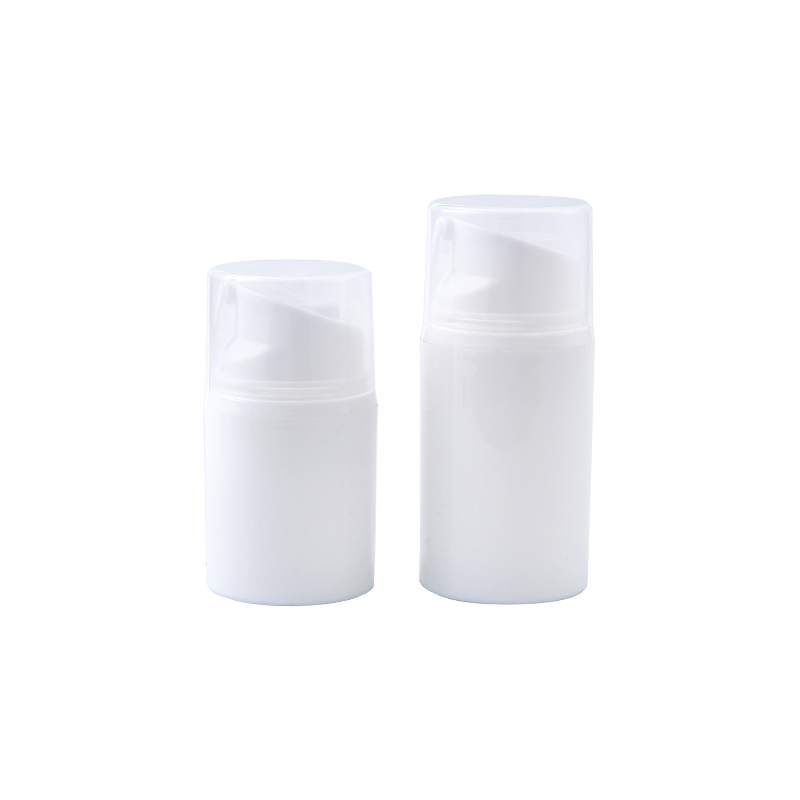
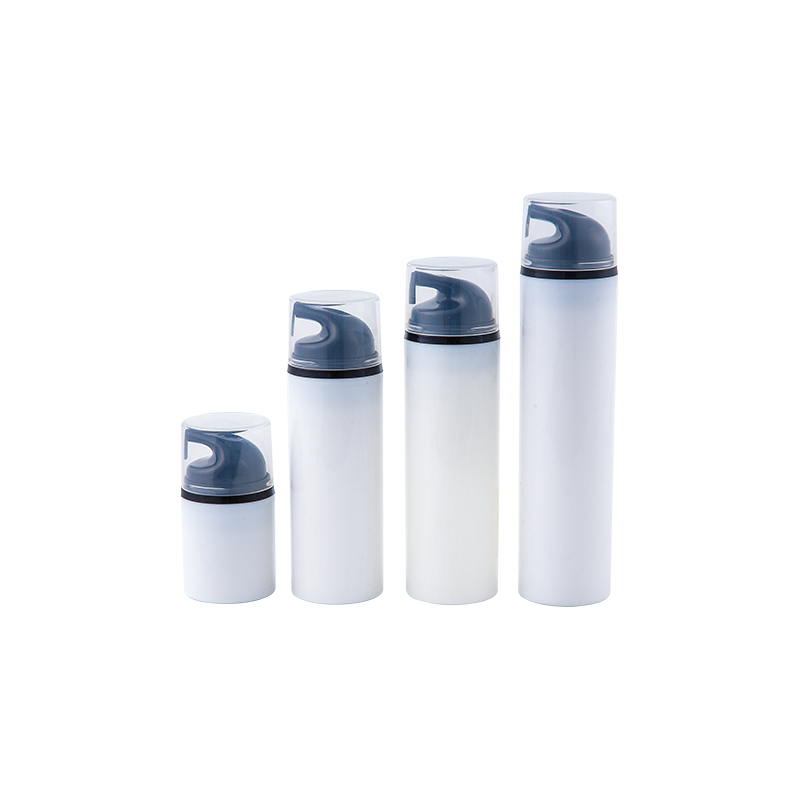
Airless Pump Systems: For very sensitive or high-value viscous creams, airless pumps are often preferred. They use a piston to physically push the product up, eliminating the need for a dip tube and ensuring consistent dispensing with minimal product waste or air exposure.
Standard lotion pumps are not suitable for all liquid viscosities. They are engineered for a specific middle range of flow characteristics. The successful application of a lotion pump depends on a critical evaluation of the product's viscosity. Formulators and package engineers must collaborate closely with pump suppliers to test prototypes and select a dispensing system whose technical specifications—including spring force, tube diameter, and valve design—are precisely matched to the physical properties of the liquid to ensure reliable, user-friendly, and consistent performance.

.png "Cream bottle with transparent cap")