Español
 Français
In an era where efficiency, hygiene, and sustainability dominate consumer and industrial priorities, the foam pump bottle has emerged as a superior alternative to traditional liquid dispensers. From skincare products to household cleaners, this innovative dispensing mechanism is transforming how we use and conserve everyday essentials.
1. Precision and Product Efficiency
Foam pump bottles operate by mixing liquid with air during dispensing, creating a rich, aerated foam. This process ensures that a smaller amount of product is required per use compared to regular dispensers. For instance, studies show that foam formulations can reduce product consumption by up to 30% while delivering the same functional benefits. Whether it’s hand soap, shampoo, or surface cleaner, users achieve thorough coverage with minimal waste—a critical advantage for cost-conscious households and businesses alike.
2. Enhanced Hygiene and Reduced Contamination
Traditional open-top or squeeze bottles often expose contents to airborne bacteria, moisture, and contaminants. Foam pump bottles, however, feature airtight seals and one-way valve systems that prevent backflow, ensuring the product remains uncontaminated. The foam itself also minimizes direct contact with the dispenser nozzle, reducing the risk of cross-contamination—a key consideration in healthcare facilities, food service environments, and shared spaces.
3. Improved User Experience
Foam’s lightweight texture adheres better to surfaces, whether cleansing skin or wiping countertops, eliminating the "slip factor" common with liquid pours. This consistency also allows for easier application in hard-to-reach areas (e.g., delicate fabrics or vertical surfaces). Additionally, the tactile satisfaction of foam—often described as luxurious and effortless—enhances perceived product quality, making it a favorite in premium skincare and personal care markets.
4. Environmental and Economic Benefits
By reducing overuse and spillage, foam pump bottles contribute to sustainability goals. Less product waste translates to fewer packaging refills and lower transportation emissions. Many foam dispensers are also designed for compatibility with concentrated refills, further cutting plastic waste. For businesses, this aligns with ESG (Environmental, Social, Governance) commitments while lowering operational costs.
5. Versatility Across Industries
Foam pump technology is adaptable to a wide range of viscosities and formulations, from alcohol-based sanitizers to oil-infused serums. Industries such as hospitality, cosmetics, and janitorial services increasingly favor foam systems for their consistency and reliability. For example, hotels report higher guest satisfaction when foam soap dispensers replace liquid alternatives, citing reduced mess and a premium feel.
Foam pump bottles are not merely a trend—they represent a scientifically backed evolution in product delivery. By optimizing efficiency, enhancing hygiene, and supporting sustainability, they address modern demands that traditional dispensers struggle to meet.

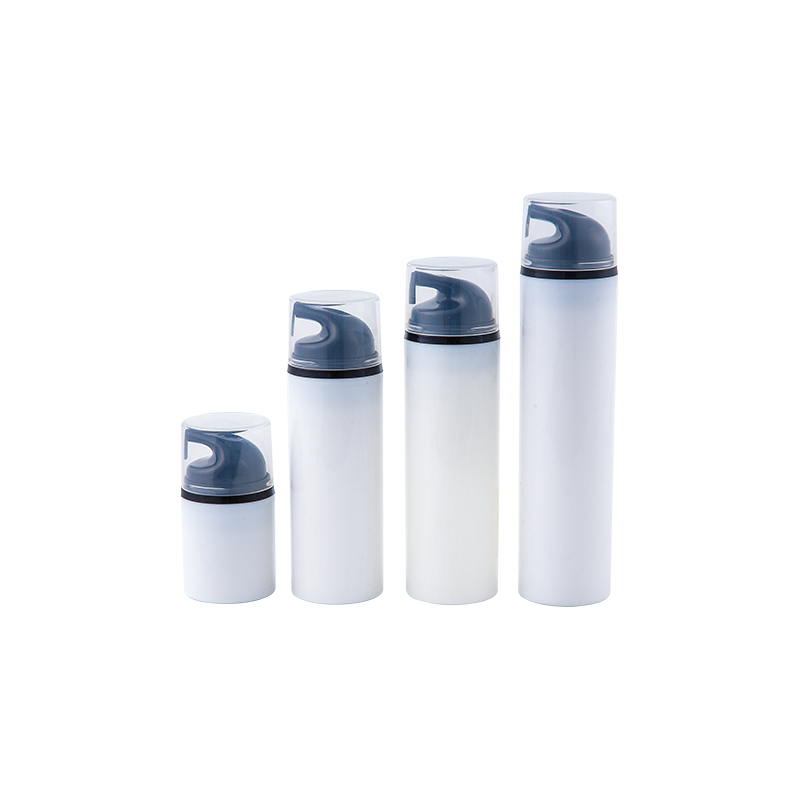
.png "Cream bottle with transparent cap")