Español
 Français
Foam pump bottles offer convenient, controlled dispensing and a luxurious user experience for products ranging from hand soaps to facial cleansers. However, manufacturers and distributors often encounter a frustrating and costly issue: leakage during transportation. Understanding the underlying causes is crucial for developing effective prevention strategies.
The Science Behind the Spill
Unlike simple liquid dispensers, foam pumps create foam by mixing air with the liquid product as it's dispensed. This unique mechanism also introduces specific vulnerabilities under the stresses of transit:
- Pressure Differential (The Boyle's Law Effect): This is the primary culprit. As trucks or planes ascend to higher altitudes, atmospheric pressure decreases dramatically. The air trapped inside the sealed bottle (above the liquid and within the pump mechanism itself) expands significantly due to this pressure drop (Boyle's Law: P1V1 = P2V2). This expanding air forcefully pushes liquid product upwards through the pump's dip tube and valve systems.
- Temperature Fluctuations: Transport environments experience wide temperature swings, from hot warehouses to cold cargo holds. Heat causes the air and liquid inside the bottle to expand, increasing internal pressure. Subsequent cooling can sometimes create a vacuum, but the initial heating phase is a major leak trigger. Temperature changes can also affect seal integrity and material flexibility.
- Pump Design & Seal Vulnerabilities:
- Valve Design: Foam pumps utilize intricate valve systems (often inlet and outlet valves) to control the air-liquid mixing and dispensing. If these valves are not perfectly sealing against back-pressure from inside the bottle (caused by pressure changes or impacts), liquid can seep past them.
- Seal Imperfections: Critical seals, such as the gasket between the pump housing and bottle neck, the dip tube seal, or internal pump seals, must be robust and perfectly formed. Minor imperfections, material weaknesses, or inconsistent tolerances can create pathways for leakage under pressure.
- Material Flexibility: While some flexibility is needed, components that deform too easily under pressure or temperature changes can compromise seal integrity.
- Product Formulation: Highly viscous or surfactant-rich formulations can sometimes create excessive foaming inside the dip tube or pump chamber during agitation. This foam can be forced past valves more easily than pure liquid under pressure changes. Ingredients that degrade seals over time can also contribute to leaks during longer transit/storage.
- Physical Shock and Vibration: While less commonly the primary cause than pressure and temperature, rough handling can exacerbate existing weaknesses. Vigorous shaking can force liquid into areas it shouldn't be, potentially dislodging seals or temporarily jamming valves open.
Avoiding Leaks: Proactive Measures for Manufacturers
Mitigating leakage requires a holistic approach focusing on design, materials, testing, and handling:
- Pressure Management Design:
- Venting Mechanisms: Incorporate controlled venting systems that allow expanding internal air to escape without letting liquid leak out. This requires precise engineering to balance venting function with maintaining pump performance and preventing contamination.
- Enhanced Valve Sealing: Invest in pump designs with robust, multi-stage valves specifically engineered to withstand reverse pressure from inside the bottle. Focus on seal geometry and material compatibility.
- Material Selection & Quality Control:
- Seal Materials: Choose gasket and seal materials (like specific elastomers) that maintain elasticity and sealing force across the expected temperature range and are resistant to the product formulation.
- Component Precision: Ensure all pump components (housing, stem, valves, springs) are manufactured to tight tolerances. Rigorous QC checks for defects like flash, warpage, or inconsistent dimensions are vital.
- Material Compatibility Testing: Test seals and plastics with the actual product formulation over time and under stress conditions to ensure no degradation occurs.
- Rigorous Pre-Shipment Testing:
- Simulated Transit Testing: Subject filled bottles to realistic simulations of transportation hazards:
- Altitude/Pressure Testing: Cycle bottles through vacuum chambers simulating high-altitude pressure drops.
- Thermal Cycling: Expose bottles to repeated hot and cold temperature extremes.
- Vibration & Drop Testing: Simulate road vibrations and potential impacts.
- Orientation Testing: Test bottles stored upside-down, on their sides, and upright under pressure/temperature stress to identify weaknesses.
- Long-Term Storage Testing: Assess seal integrity and potential creeping leaks over extended periods under pressure.
- Simulated Transit Testing: Subject filled bottles to realistic simulations of transportation hazards:
- Formulation Considerations: Work with chemists to ensure the product viscosity and surfactant levels are optimized not just for dispensing performance, but also for stability during transit. Consider if minor formulation tweaks could reduce internal foaming tendency under agitation.
- Packaging Handling: While primarily a design/manufacturing issue, ensuring proper handling practices during filling, capping, palletizing, and transport minimizes physical shocks that could trigger leaks from borderline systems.
Leakage in foam pump bottles during transit is predominantly driven by fundamental physics – the expansion of trapped air under pressure drops and temperature increases – interacting with the inherent complexity of foam pump mechanisms. It is not an inevitable problem, but one that demands attention to detail. By prioritizing robust pump design with pressure management features, selecting compatible and high-quality materials, implementing stringent quality control, and conducting thorough simulated transit testing, manufacturers can significantly reduce the risk of leaks. This proactive approach protects product integrity, minimizes financial losses from damaged goods and customer complaints, and ensures that the promise of a convenient, luxurious foam dispenser reaches the consumer intact. Investing in leak prevention is ultimately an investment in product quality, brand reputation, and operational efficiency.

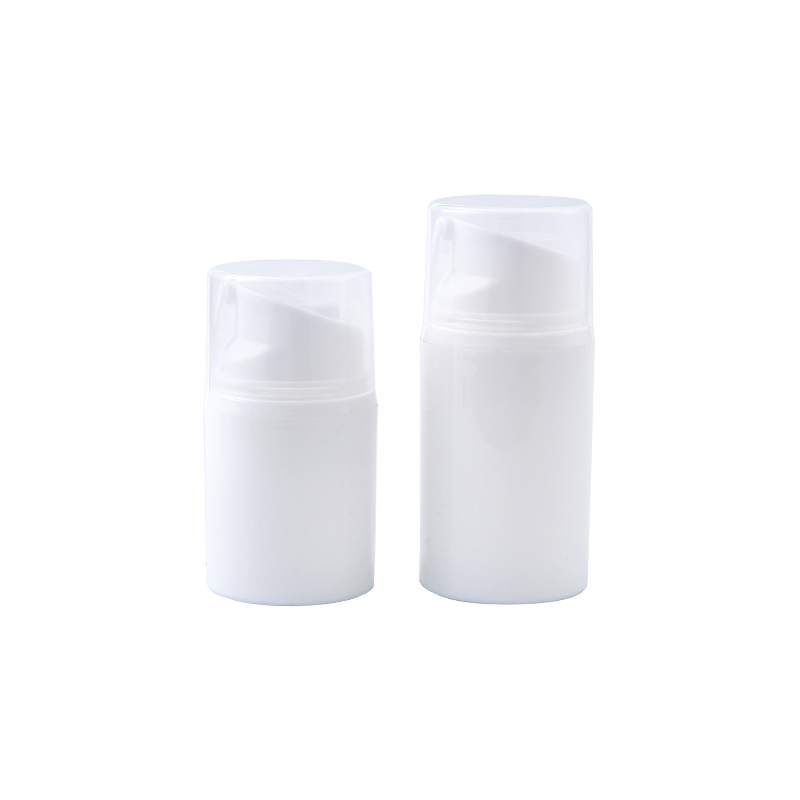
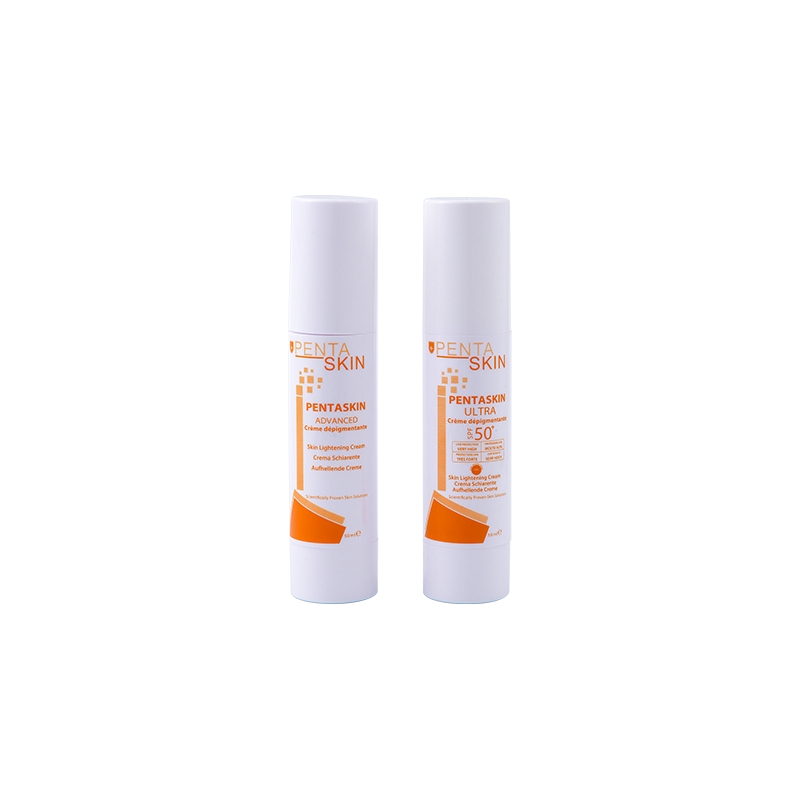
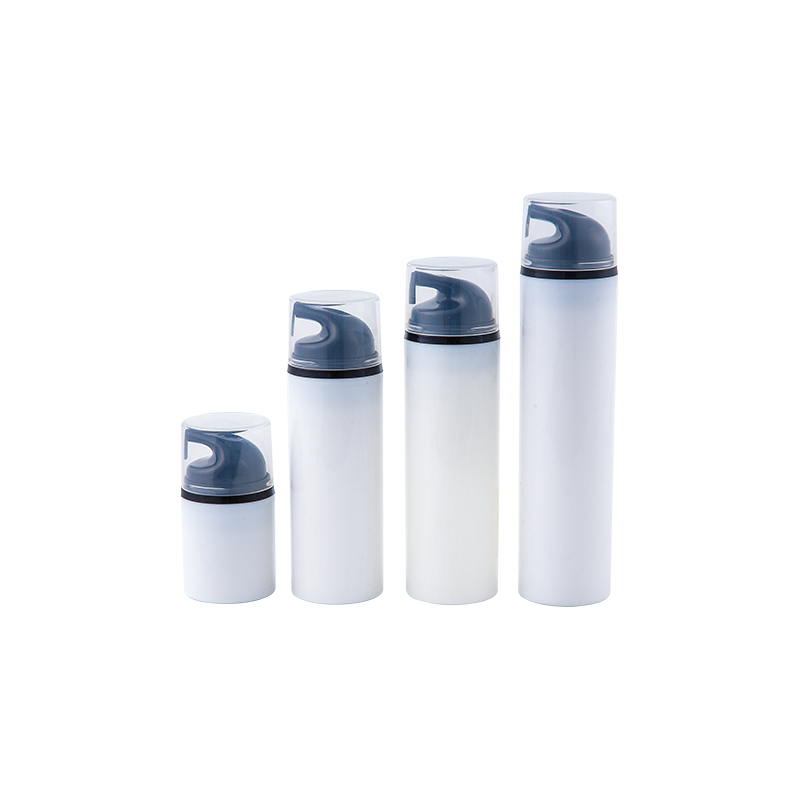
.png "Cream bottle with transparent cap")