Español
 Français
In the world of cosmetics, pharmaceuticals, and personal care, packaging is far more than just a container; it is an integral component of the product experience and functionality. Among the most common and critical dispensing solutions is the lotion pump. But beyond its ubiquitous presence on bottles of hand cream or body wash, what is its fundamental purpose?
Core Function: Controlled and Hygienic Dispensing
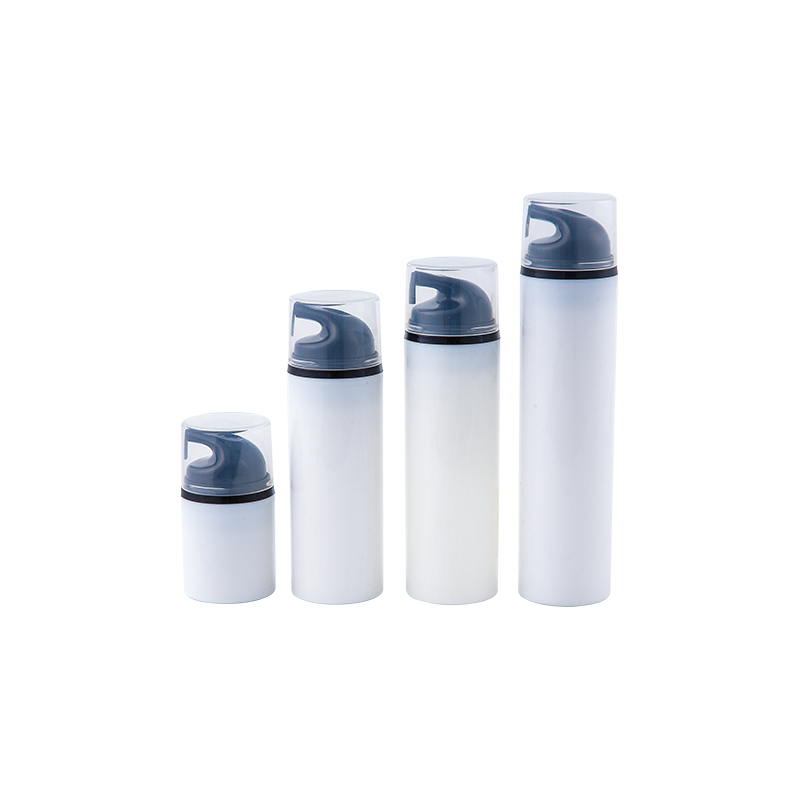
At its most basic level, a lotion pump is a mechanical device designed to dispense a controlled, measured amount of a liquid or semi-liquid product in a convenient, sanitary, and efficient manner. It is a type of closure that combines a pump mechanism with an actuator and a dip tube.
The standard operation involves a user pressing down on the actuator, which creates a vacuum within the pump chamber. This vacuum draws the product up through the dip tube from the container. Upon release, the pump mechanism returns to its original position, forcing the product out through the actuator's orifice. Subsequent presses continue this cycle until the container is empty.
Key Applications Across Industries
The versatility of the lotion pump makes it suitable for a wide range of products beyond its namesake lotions. Its use is dictated by the viscosity and nature of the substance being packaged. Common applications include:
-
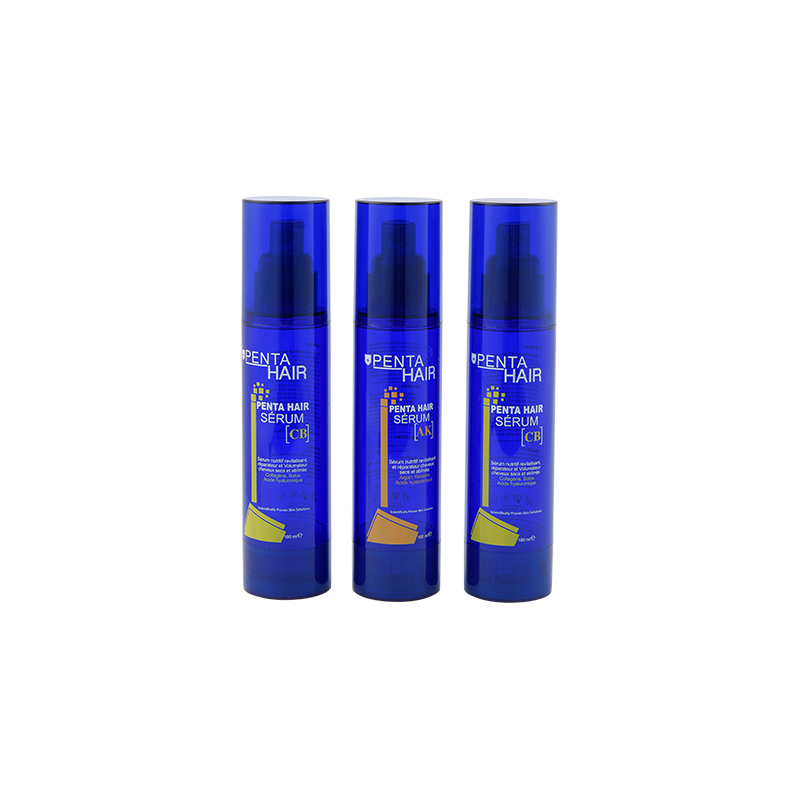
Personal Care and Cosmetics: This is the most familiar category. Lotion pumps are ideal for hand and body lotions, liquid soaps, shower gels, hair serums, facial cleansers, and sunscreens. Their design allows for easy one-handed operation, which is particularly useful in environments like a shower or bathroom.
-
Pharmaceuticals: In medical and therapeutic settings, precision dosing is paramount. Certain types of lotion pumps can be engineered to deliver consistent, metered doses of topical medications, creams, or gels, ensuring patients apply the correct amount each time.
-
Household and Consumer Goods: High-end dish soaps, cleaning solutions, and fabric softeners also utilize pump dispensers for their convenience and ability to minimize waste and spillage.
Advantages Over Alternative Closures
The adoption of a lotion pump system offers several distinct benefits for both manufacturers and consumers:
-
Hygiene and Preservation: Unlike jars or tubs that require dipping fingers into the product, a lotion pump keeps the contents sealed from air and contaminants. This minimizes the risk of microbial growth and helps preserve the integrity and shelf life of the formula by reducing oxidation.
-
Dosing Control: Each activation delivers a consistent amount of product, typically ranging from 0.8cc to 3.5cc or more. This prevents overuse and allows users to reliably manage their usage, making the product last longer.
-
User Convenience: The simple push-down action is easy for most users and facilitates one-handed operation. This is a significant usability improvement over screw caps, especially for products used in busy or slippery environments.
-
Reduced Waste and Spillage: The controlled portioning mechanism ensures that product is dispensed only when and where it is needed, eliminating the common mess associated with pouring from an open bottle.
Selecting the Right Lotion Pump
Not all lotion pumps are identical. Selection depends on several factors, including the viscosity of the product, the compatibility of the pump materials (such as polypropylene or polyethylene) with the formula, and the desired dose volume. The design of the actuator—whether it locks for travel, mistes, or dispenses a foam—also plays a critical role in its application.

.png "Cream bottle with transparent cap")