Español
 Français
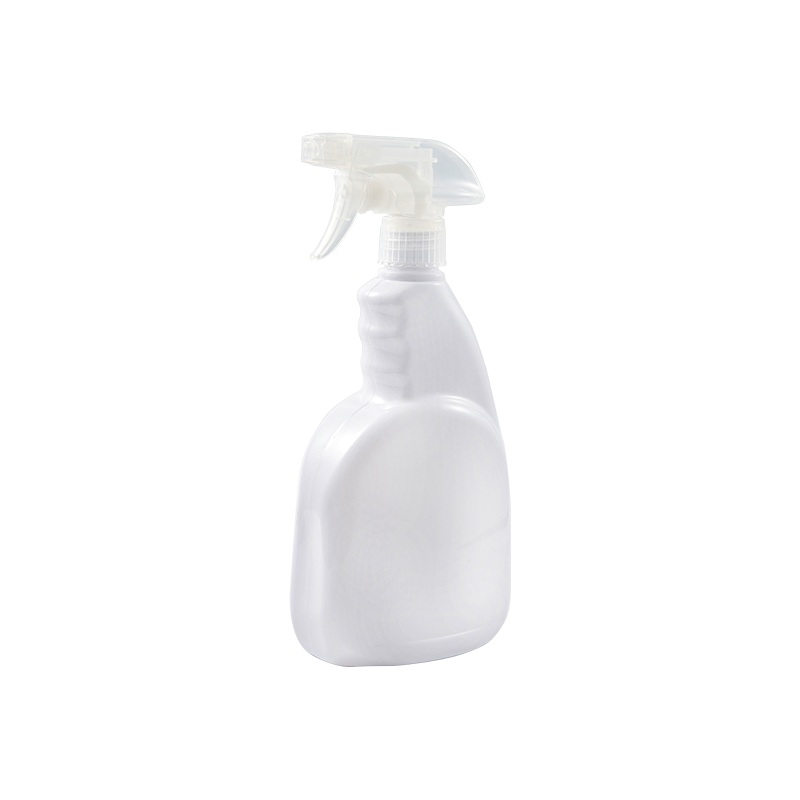
Foam pump bottles provide a convenient and hygienic way to dispense soaps, sanitizers, lotions, and cleansers. However, their specialized mechanism, designed to mix air with liquid to create foam, can be susceptible to clogs. A malfunctioning foam pump bottle leads to product waste and frustration.
Understanding the Foam Pump Mechanism
Unlike standard liquid pumps, a foam pump bottle operates through a two-stage process:
-
Liquid Stage: Product is drawn up the dip tube when the pump head is pressed.
-
Aeration Stage: The liquid passes through a fine mesh screen or aerator, mixing with air drawn in through vents, creating foam expelled through the nozzle.
Clogs typically occur in the dip tube, the valve mechanism, or, most frequently, the aerator screen due to dried product residue, mineral buildup (from hard water or product ingredients), or particulates.
Step-by-Step Resolution Methods:
-
Immediate Action: Warm Water Flush
-
Remove the pump head from the bottle.
-
Rinse the exterior of the pump head under warm running water (not exceeding 50°C/122°F to avoid warping plastic parts).
-
Submerge the pump head fully in a container of warm water. Depress the pump head repeatedly for 30-60 seconds. This backflushes water through the mechanism, dissolving soluble residues and dislodging loose debris. Dry thoroughly before reattaching.
-
-
Deep Cleaning: Vinegar Soak for Mineral Deposits
-
If a warm water flush proves ineffective, mineral scale (often white or chalky) may be the culprit.
-
Prepare a solution of equal parts white vinegar and warm water.
-
Fully submerge the disassembled pump head in the vinegar solution. Soak for 15-30 minutes.
-
Remove the pump head, rinse thoroughly under warm running water, and perform the warm water flush procedure again. The mild acidity of vinegar dissolves calcium carbonate and similar mineral deposits without damaging pump components.
-
-
Physical Debris Removal: Needle or Pin Clearing
-
For persistent clogs, particularly in the nozzle outlet or the aerator screen, carefully insert a fine needle, pin, or toothpick into the nozzle opening.
-
Exercise extreme caution: Gently probe to dislodge visible debris. Avoid scraping forcefully against the mesh screen, as this can damage it. Focus on pushing debris back through the opening it came from.
-
Follow with another warm water flush to remove dislodged material.
-
-
Disassembly and Screen Cleaning (If Applicable):
-
Some foam pump bottle mechanisms allow for further disassembly. Consult manufacturer instructions if available.
-
If accessible, carefully remove the aerator screen or mesh component. Soak it in warm water or vinegar solution. Gently brush it with a soft toothbrush to remove caked-on residue. Reassemble carefully.
-
Preventative Maintenance:
-
Regular Flushing: Periodically flush the pump mechanism with warm water, especially before refilling or if the bottle will sit unused.
-
Proper Dilution: Use products formulated for foam pumps. Avoid diluting products with hard water if possible; use distilled or softened water if dilution is necessary.
-
Secure Closures: Ensure the pump head is screwed on tightly after each use to minimize air exposure and product drying within the mechanism.
-
Clean Refills: Avoid introducing dirt or large particulates when refilling the bottle. Filter products if necessary.
-
Storage: Store bottles upright in a cool, dry place away from direct sunlight.
When Replacement is Necessary:
If repeated cleaning attempts fail, or if physical components (like the spring, check valve, or mesh screen) are visibly damaged, corroded, or deformed, the pump head is likely beyond repair. Replacement pump heads compatible with your foam pump bottle are often available from the original product manufacturer or specialty suppliers.A clogged foam pump bottle is typically resolvable through systematic cleaning focused on dissolving residues and clearing the critical aerator pathway. Understanding the pump's dual-stage mechanism highlights why clogs occur and where to target efforts. Consistent preventative maintenance significantly extends the functional life of these dispensers, ensuring reliable foam delivery and reducing product waste.

.png "Cream bottle with transparent cap")