Español
 Français
In the pursuit of efficiency, hygiene, and sustainability within professional settings – from healthcare and food service to hospitality and manufacturing – the choice of dispensing system for liquids like soap, sanitizers, detergents, and cleaners is significant. Increasingly, foam pump bottles are being recognized for their distinct advantages over traditional liquid dispensers.
-
Reduced Product Consumption & Cost Savings:
-
The Mechanism: Foam pump bottles work by mixing air with the liquid formula during dispensing. This aeration process transforms the liquid into a rich, stable foam.
-
The Impact: Studies and practical applications consistently show that foam dispensing can reduce product consumption by 30% to 50% compared to liquid dispensers delivering the same volume of pure liquid. Users perceive the foam as substantial and effective, leading to more consistent portion control and less waste. This translates directly into measurable cost savings on product replenishment.
-
-
Enhanced User Experience & Efficacy:
-
Controlled Application: The foam generated by a foam pump bottle is easier to control and apply precisely where needed. It clings to surfaces (like hands or countertops) rather than immediately running off.
-
Improved Coverage & Efficiency: The foam structure allows for better surface coverage with less product. It spreads easily and often requires less rinsing or wiping compared to thicker liquids. For hand hygiene, the lathering process is typically faster and more thorough.
-
-
Superior Hygiene & Reduced Contamination Risk:
-
Touchless Options: Many modern foam pump bottles are designed for touchless operation (sensor-activated), minimizing contact with the dispenser itself – a critical factor in high-hygiene environments.
-
Sealed Systems: Quality foam pump bottles often incorporate sealed systems that prevent air and contaminants from entering the reservoir, preserving product integrity and reducing the risk of bacterial growth compared to open-sump liquid dispensers.
-
Less Drip & Mess: Foam is inherently less prone to dripping than liquid, keeping dispensers and surrounding areas cleaner and reducing slip hazards.
-
-
Sustainability Benefits:
-
Reduced Product Waste: The core benefit of lower consumption inherently means less packaging waste generated over time.
-
Lower Transportation Impact: Using less product per application reduces the frequency of deliveries and the associated carbon footprint from transportation. Fewer refills are needed.
-
Resource Efficiency: Reduced water usage may be observed downstream, particularly with rinse-off products like soaps and detergents, due to the efficiency of foam.
-
-
Cost Efficiency Beyond Product Savings:
-
While product savings are primary, the reduced mess and drips associated with foam pump bottles can lower cleaning and maintenance costs for surfaces and dispensers.
-
Longer intervals between refills reduce labor time associated with restocking.
-
Key Considerations for Implementation:
-
Formula Compatibility: Not all liquids are suitable for foaming. Specific formulations are required to create stable foam. Ensure the product is designed for use with a foam pump bottle.
-
Viscosity: Foam pump bottles typically work best with low-to-medium viscosity liquids. Very thick formulations may not aerate effectively.
-
Dispenser Quality: Invest in durable, well-engineered foam pump bottles from reputable suppliers. Cheaper mechanisms may clog, leak, or fail to produce consistent foam.
The transition from traditional liquid dispensers to foam pump bottles offers a compelling value proposition for professional environments. The combination of significant product and cost savings, enhanced user experience leading to better compliance, improved hygiene through advanced dispensing mechanisms, and tangible sustainability benefits makes the foam pump bottle a strategically advantageous choice. When selecting products formulated for foaming and pairing them with reliable dispensing hardware, organizations can achieve measurable operational efficiencies and support higher standards of cleanliness and resource management. The evidence points towards foam as an effective, economical, and responsible dispensing solution.

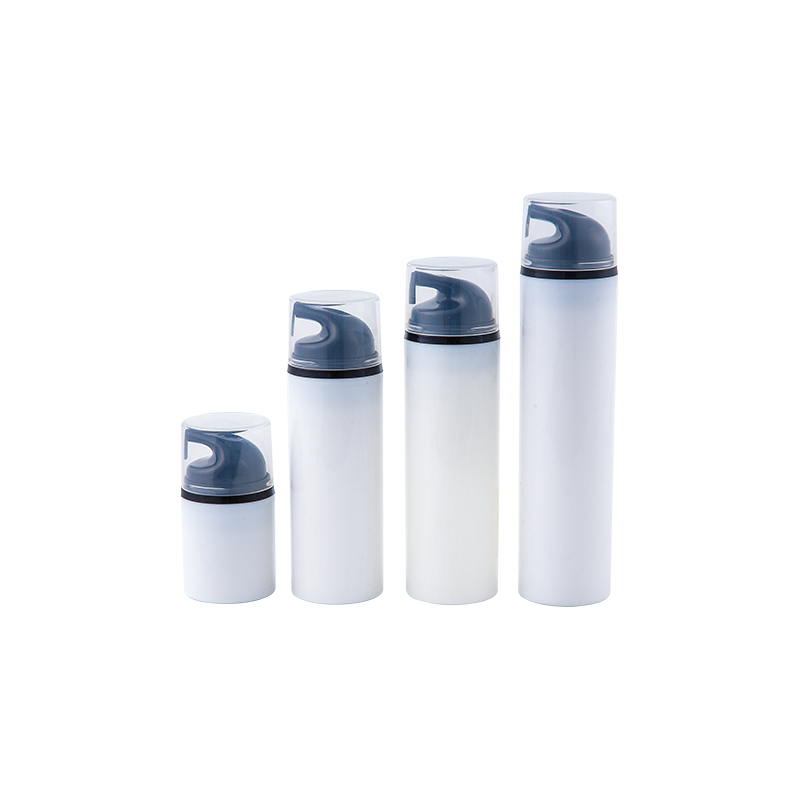
.png "Cream bottle with transparent cap")